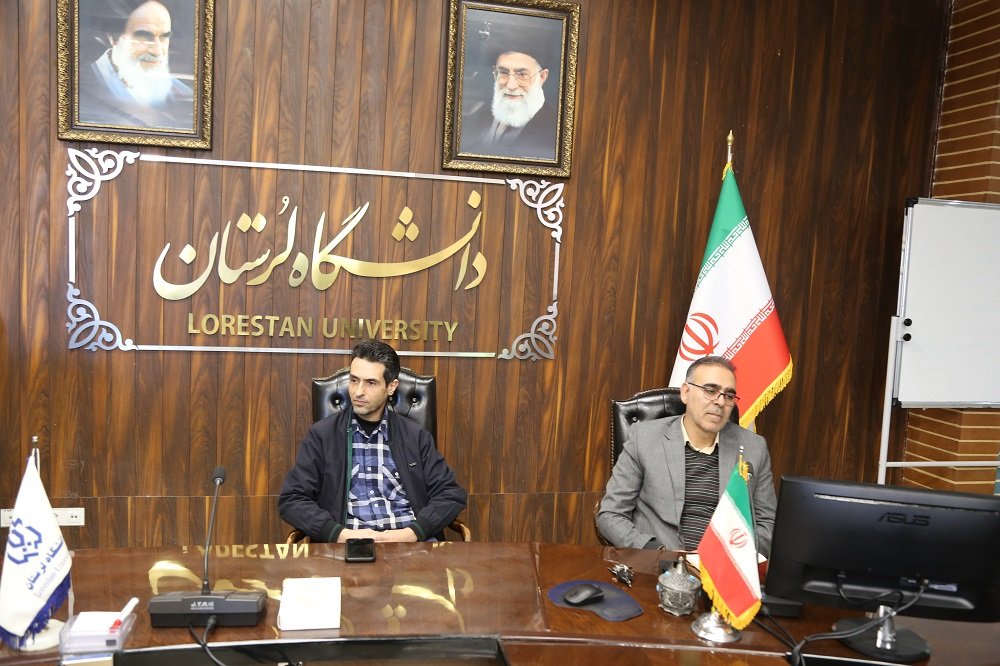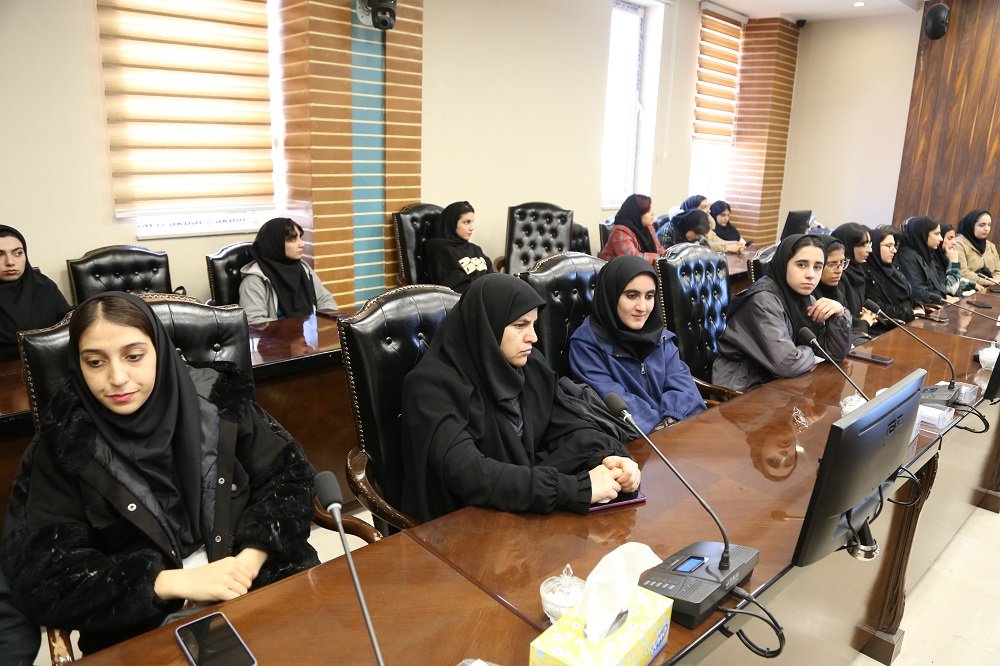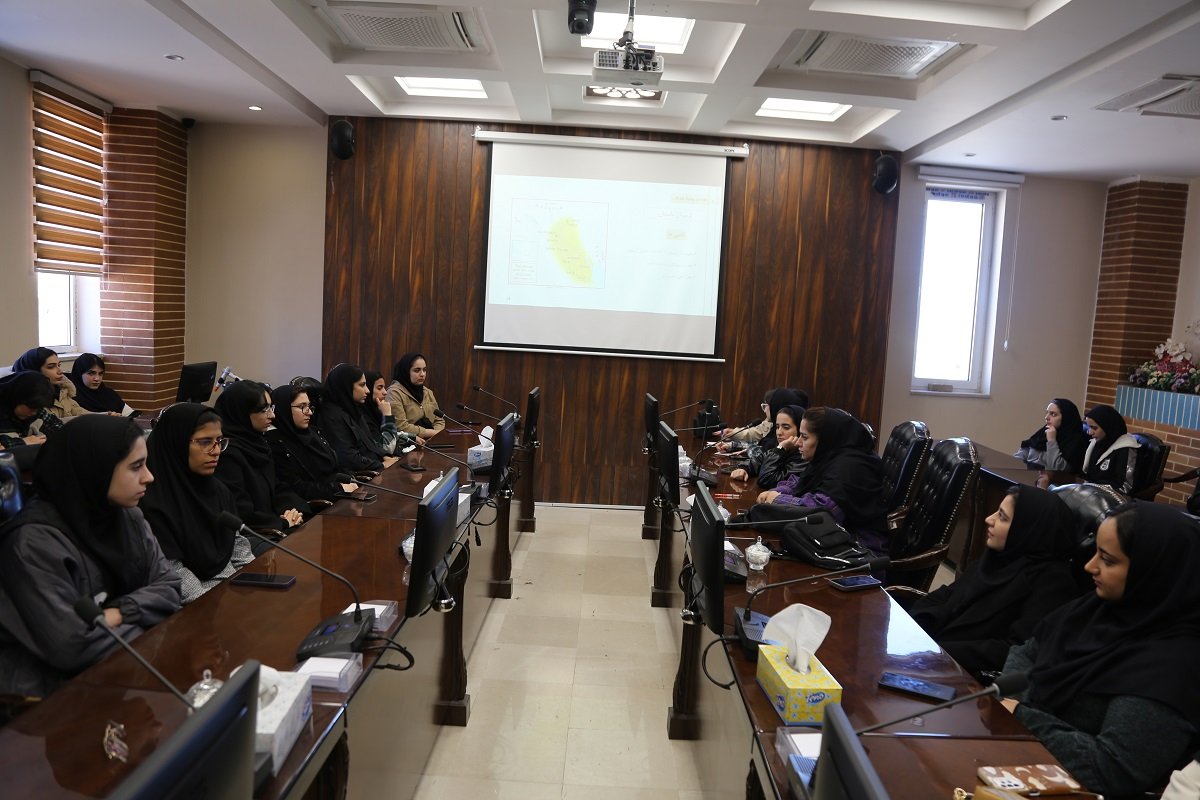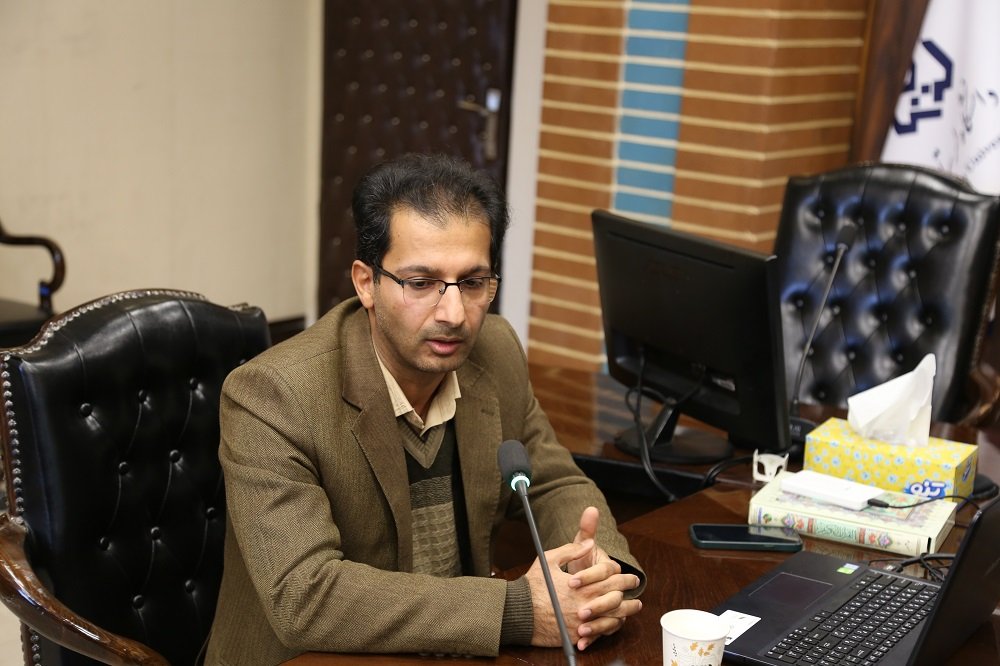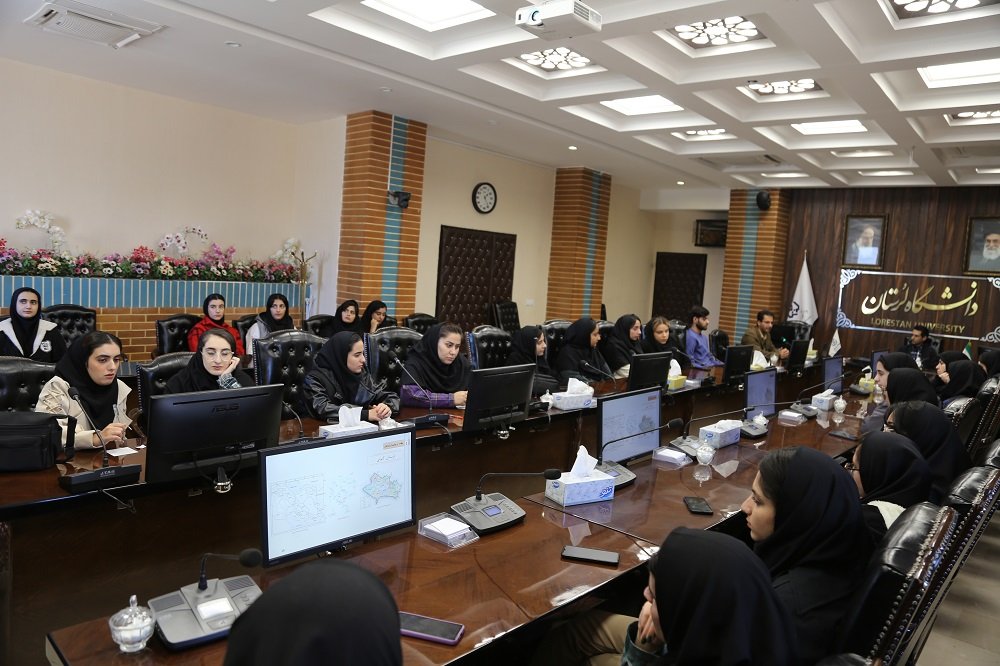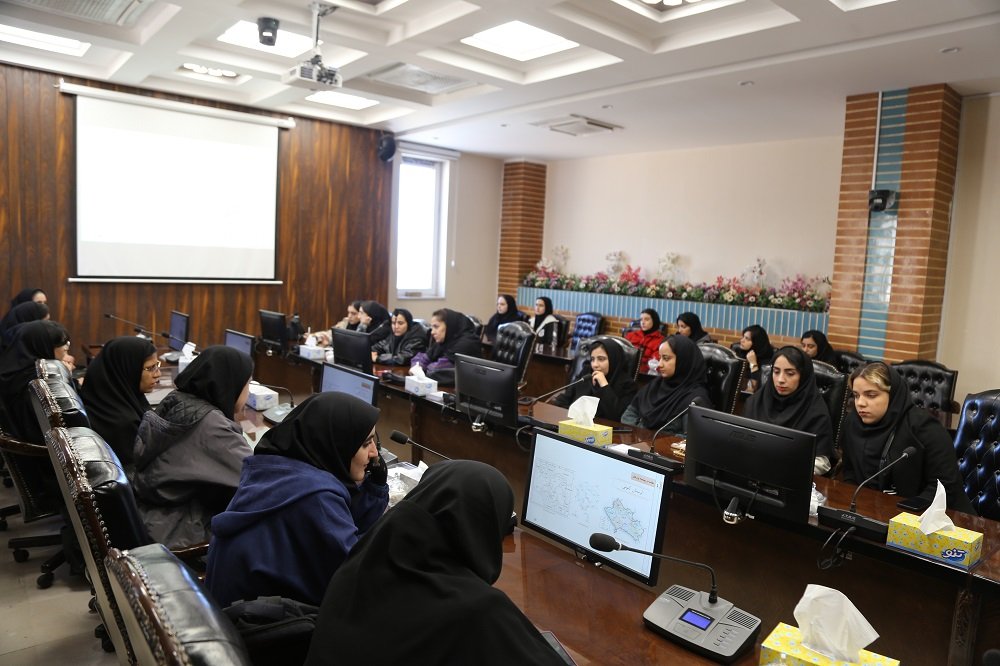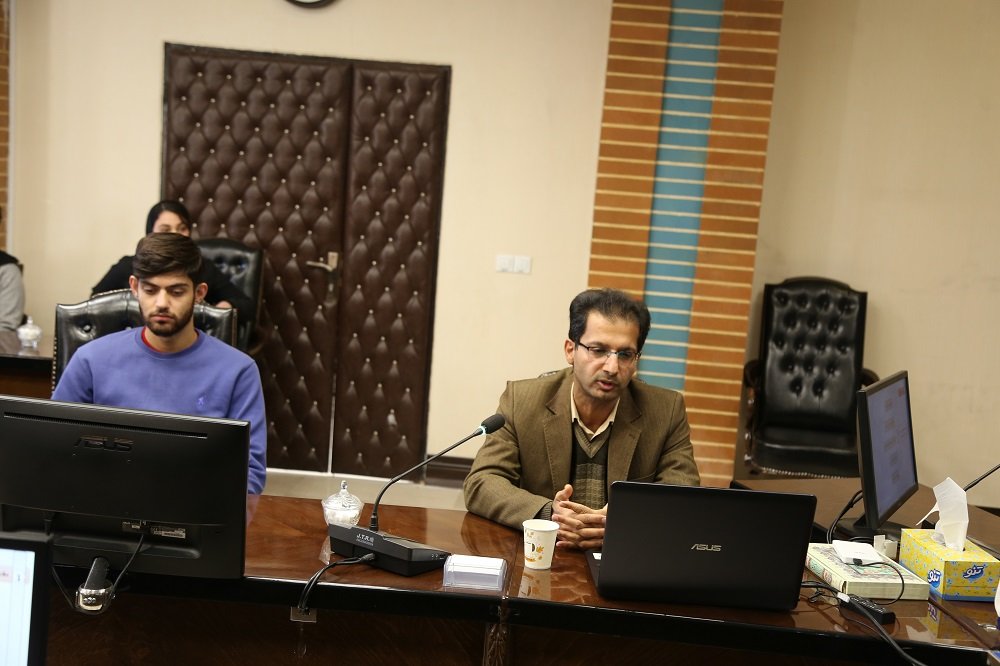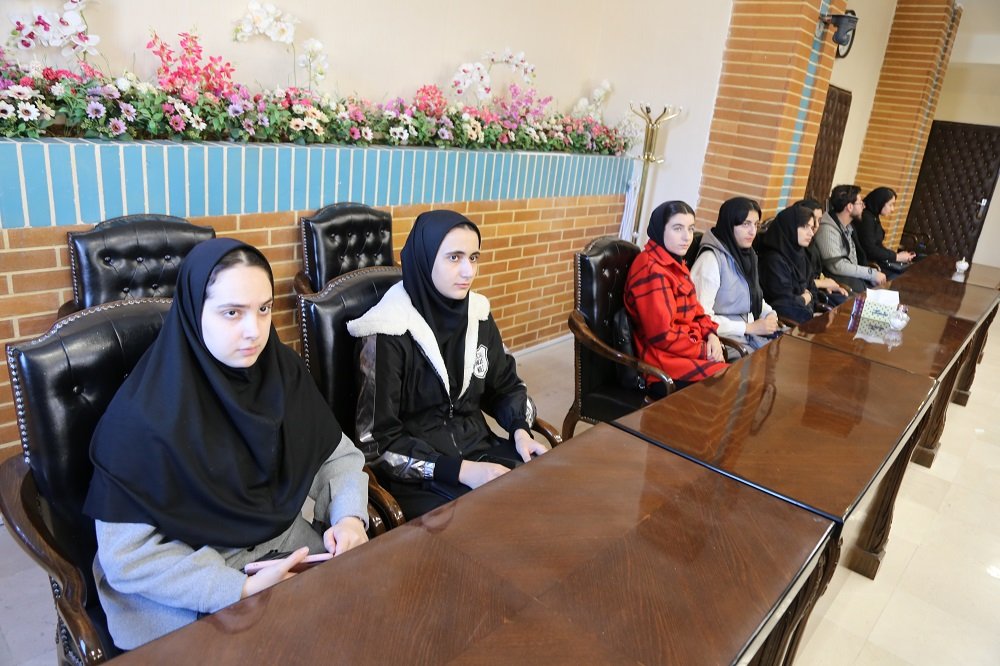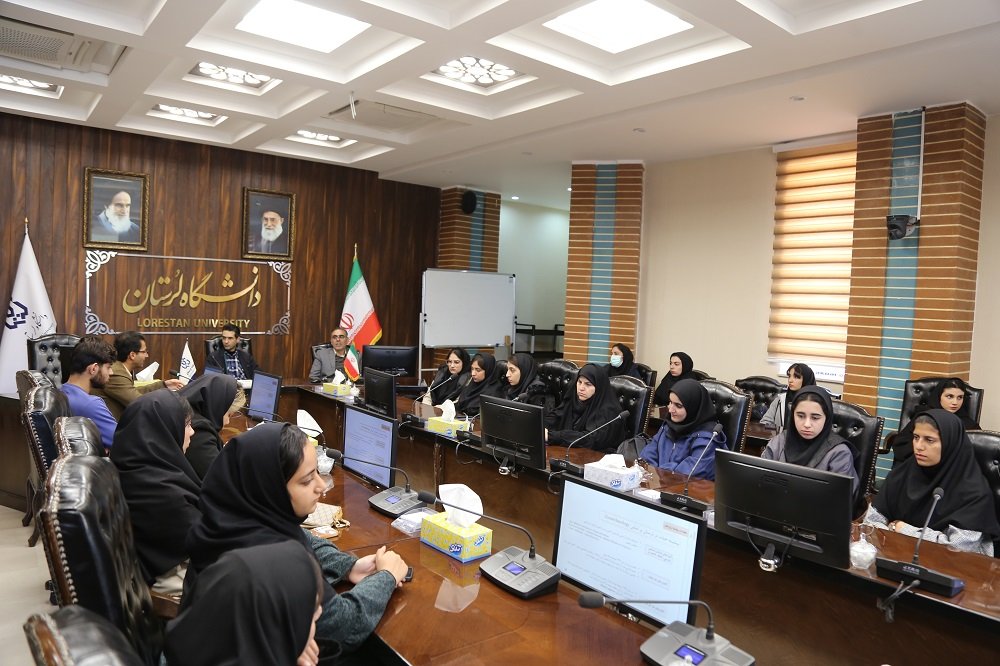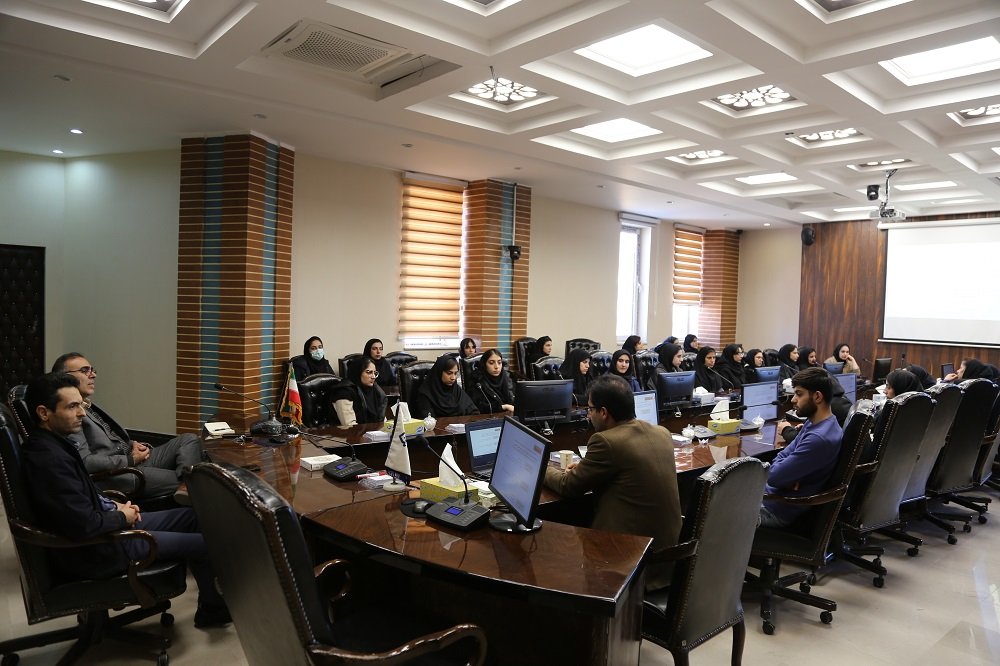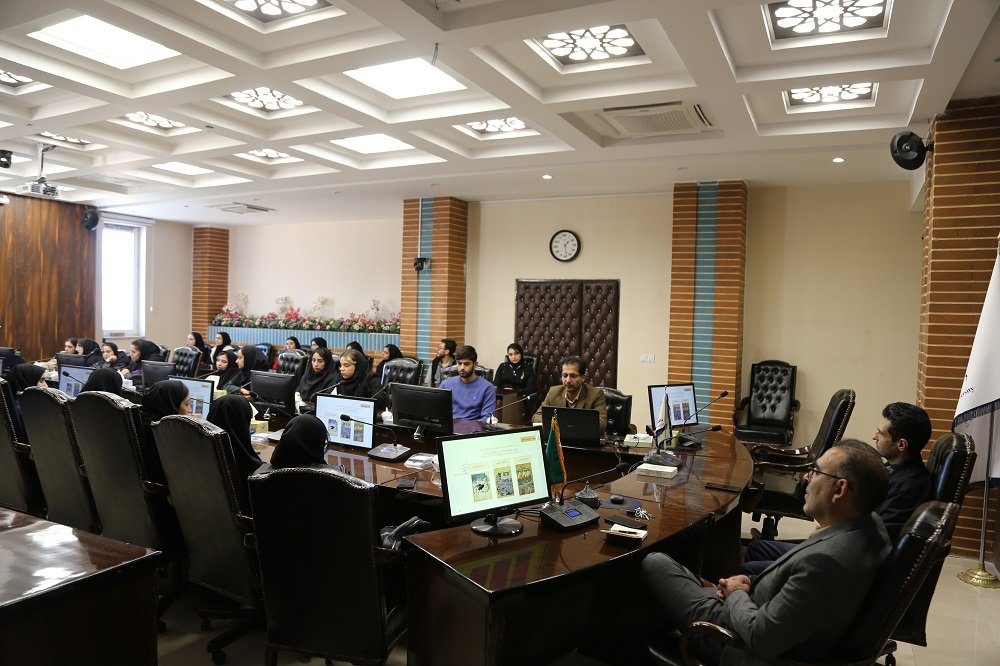

The "Lorestan Province Zooarchaeology" Chair was held at Lorestan University.
 Dec 17, 2024
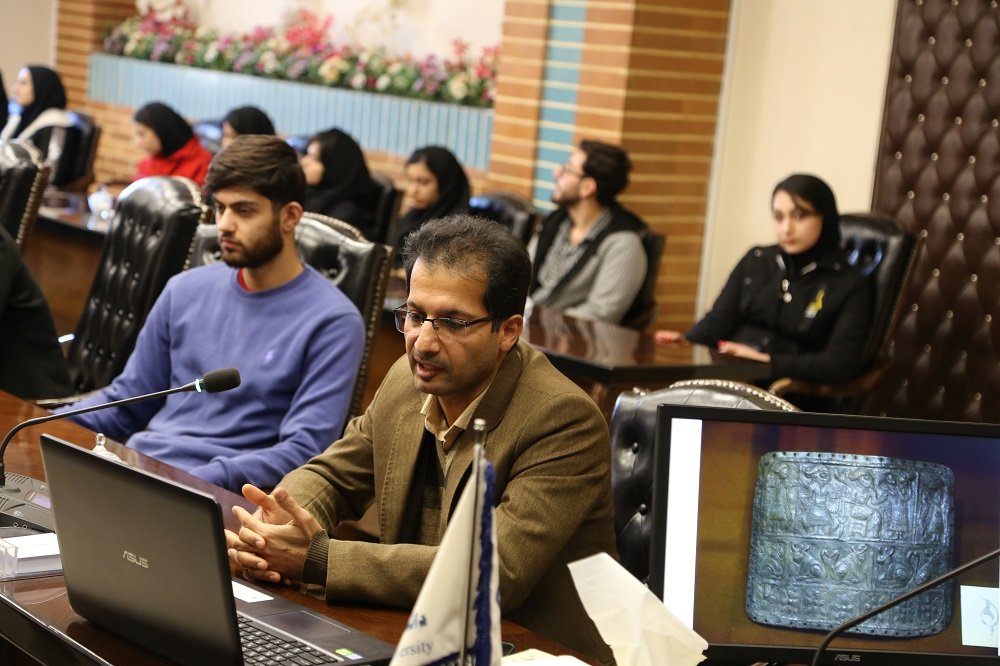
On the occasion of Research and Technology Week, in line with applied research commensurate with the capacities and needs of the province, the promotional scientific chair "Zooarchaeology, the Forgotten Research Capacity of Lorestan Province," was held, presented by Dr. Ali Gholamifard, a faculty member of the Biology Department of Lorestan University.
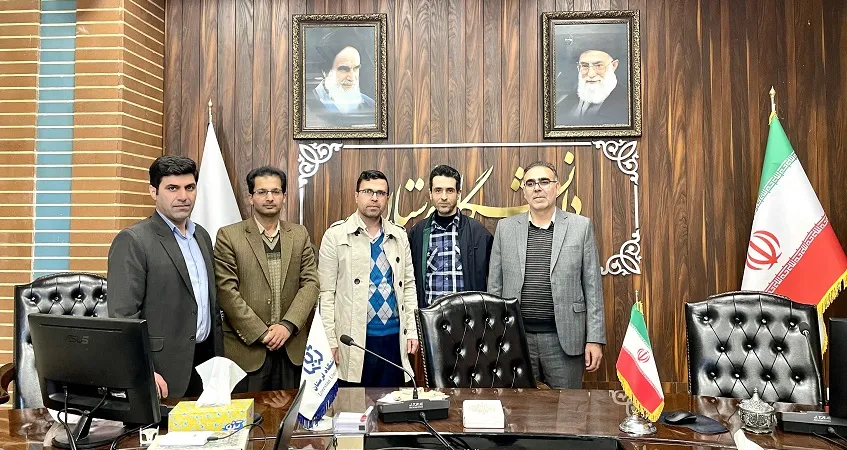
According to the Public Relations of Lorestan University, in this scientific meeting, which was held on December 17th of this year in the meeting hall of the President's Office of Lorestan University, professors from the History and Archaeology Department of Lorestan University, Dr. Mousa Sabzi, Dr. Hossein Sedighian, Dr. Mohammad Bahrami, and Dr. Younes Yousefvand, were present as critics and invitees, along with a number of students from the fields of archaeology and animal biology.
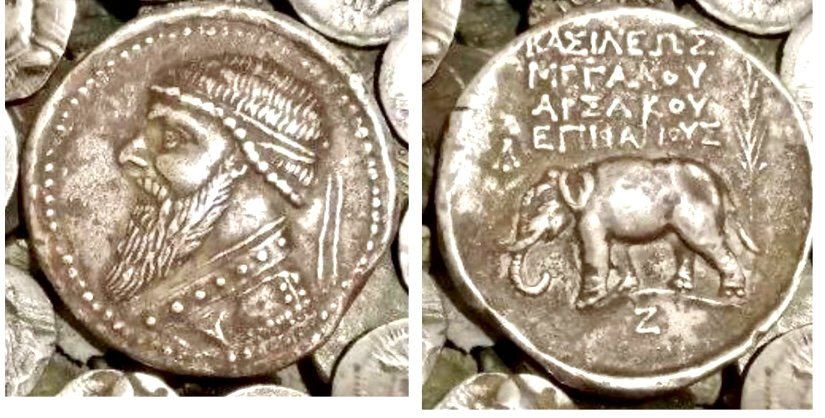
Dr. Gholamifard, by presenting images of his zooarchaeological research findings (with an artistic-animal approach in national cultural artifacts), stated: Lorestan province, in its new political geography and also its old historical geography, due to its high biodiversity, has been the host of a glorious, diverse, and rich past from prehistoric and historical periods, which has led to the formation of unique periods (civilizations) specific to the province itself.
The science of archaeology, which explores and discovers various aspects of the natural history of human life, is known as Zooarchaeology if it explores and identifies animal findings related to the history of human life.
The lifestyle of the people of the historical and prehistoric periods of the Lorestan region, who lived in natural habitats and adjacent to nature, led to the formation of numerous shelters for the life of humans in very ancient times and in areas such as the caves of Yafteh, Kalder, Qomri, Ganji, Humian, Pasanger, etc., which are considered as the first settlements of humans in the region and have taken the history of human life much further back.
Living in a natural environment and along with the diverse and rich wildlife of that time has caused animals and their components to have a greater manifestation in the lives of ancient humans in the form of daily food, domesticated animals, symbiotic animals, and artistic, ritual, and mythological expressions in numerous and diverse ancient cultural and national artifacts, etc.
On the other hand, the science of animal diversity in the Lorestan region benefits from high scientific and research capacity due to its high species richness.
Therefore, the combined use of zoological and archaeological knowledge in archaeological excavations (with a zooarchaeological approach), especially in historical and prehistoric sites, with the approach of accurately identifying animal species and their found components, creates a more precise scientific view in the science of archaeology, which animal components discovered belong to which animal species and what function they were used for, and what is their presence in the excavated site?
All these cases make it imperative to create and even utilize this combined knowledge in the scientific communities of Lorestan province to discover the hidden aspects of human life in the region, where this research capacity has been neglected or not properly utilized in Lorestan province.
Dr. Gholamifard, the director of the Lorestan University Zooarchaeology Museum, invited professors from the History and Archaeology Department to participate with pride in research related to the field of zooarchaeology and in an interdisciplinary manner, or to benefit from the knowledge of zoology in better understanding the artifacts discovered from their excavations.
For a start, he invited the present professors to, with their scientific and research participation, establish a collection of findings from archaeological excavations and under legal permits, with the prospect of creating a comprehensive natural history museum of Lorestan University (with the participation of all academic departments).
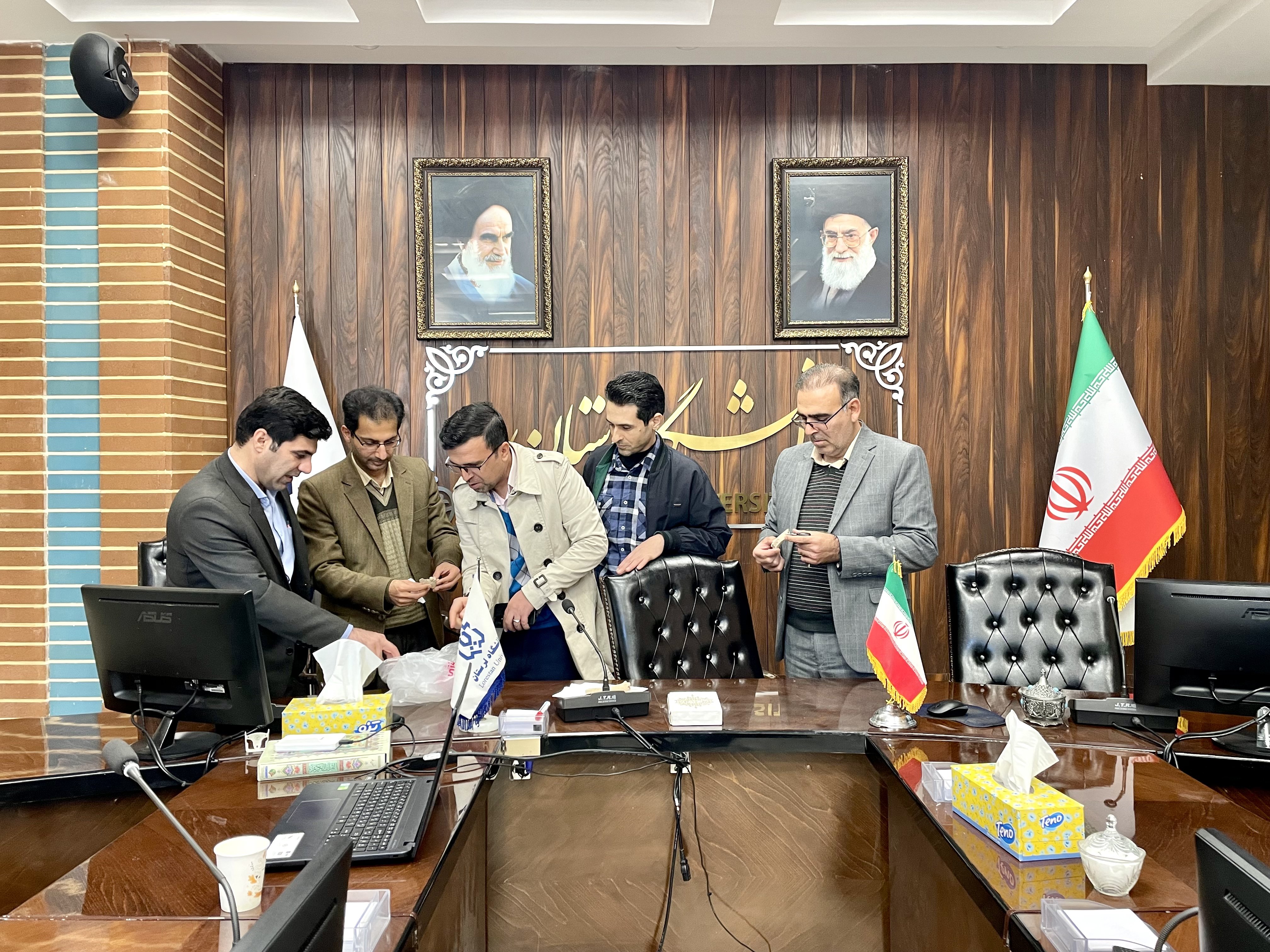
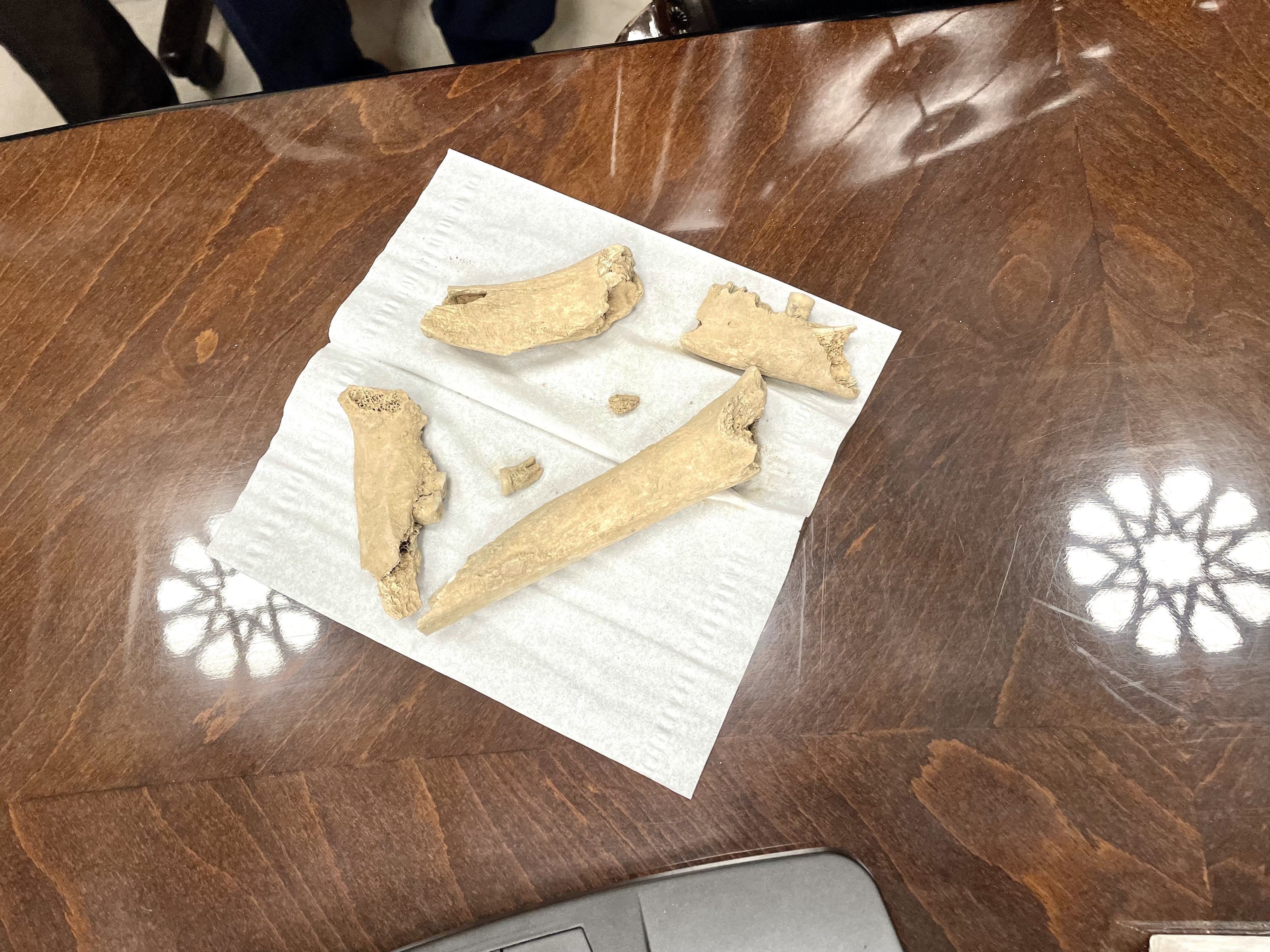
In this regard, after the presentation of opinions by the professors present in the chair, Dr. Sabzi unveiled some of the osteological findings from one of his excavations.
Also, in this meeting, the importance and necessity of protecting the national and cultural artifacts of Lorestan province (even with the culture of donating to museums) and preventing their removal from the province and the country were mentioned, where a large part of the national treasures from Lorestan province are now, with and without names, adorning the famous museums and private collections of the world, the foremost of which are the bronze collections and the unique artifacts of the great treasure of the Kalmakareh cave in Poldokhtar County, Lorestan province.
Dr. Gholamifard stated that Lorestan University, with the high scientific and research capacity of its professors, can host the rare field or subfield of zooarchaeology in Iran, by offering lessons from it in the course syllabus, research studies, and a series of specialized meetings, so that this less-known scientific and research capacity of the country can become prominent at Lorestan University.