
Presence of Lorestan University's Vice President for Research at the Heart of Scientific Diplomacy in the Islamic World
 Dec 13, 2025
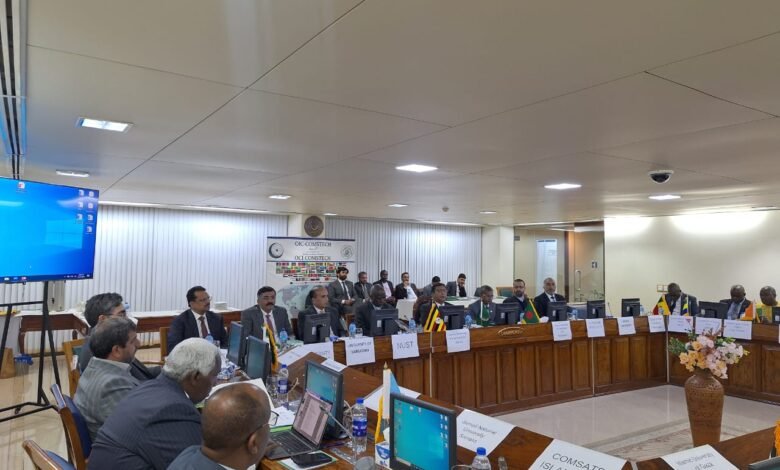
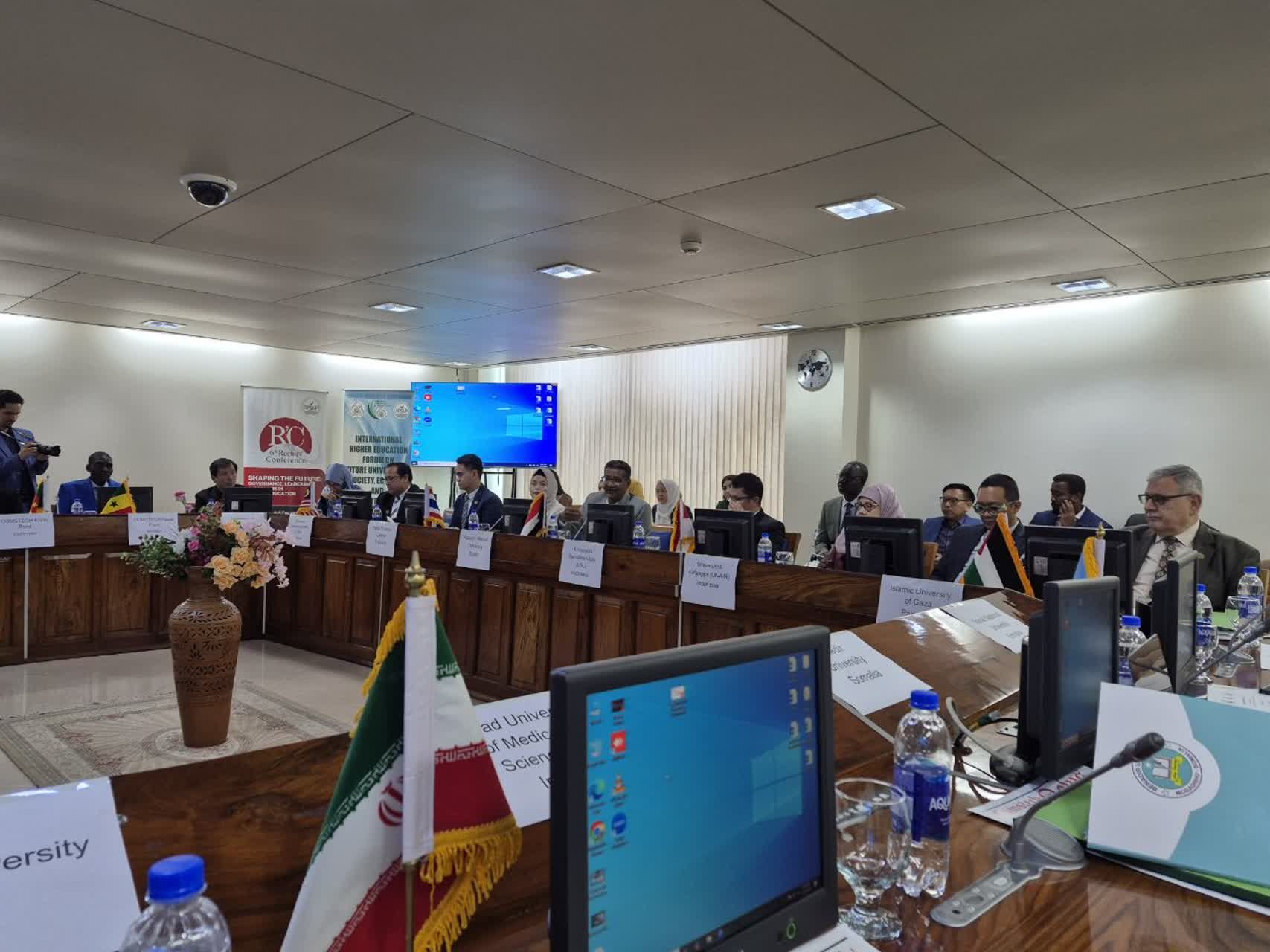
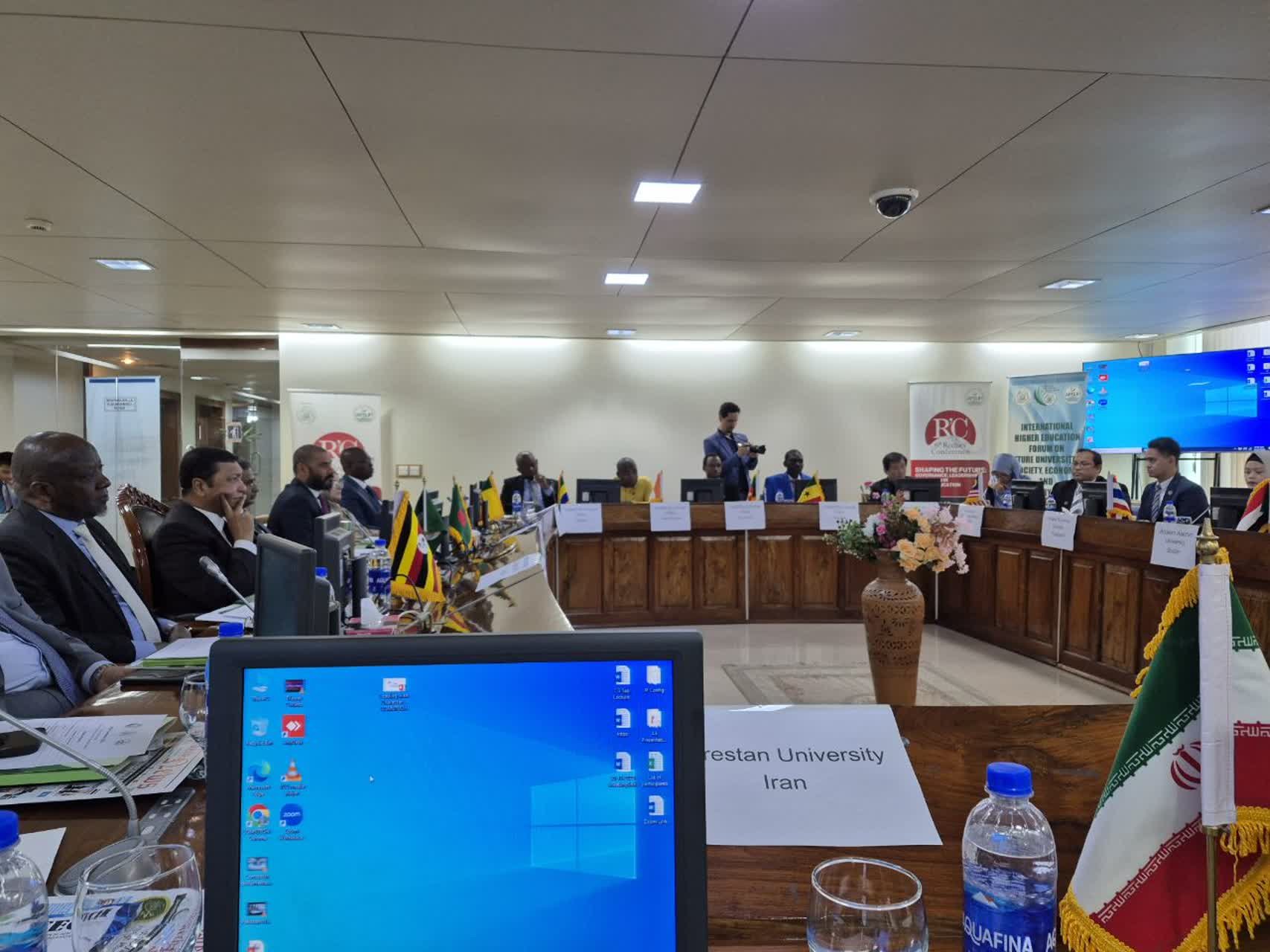
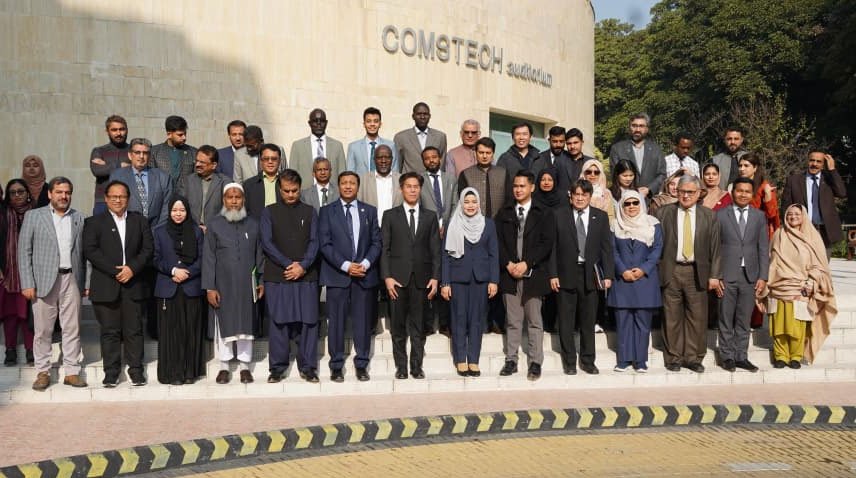
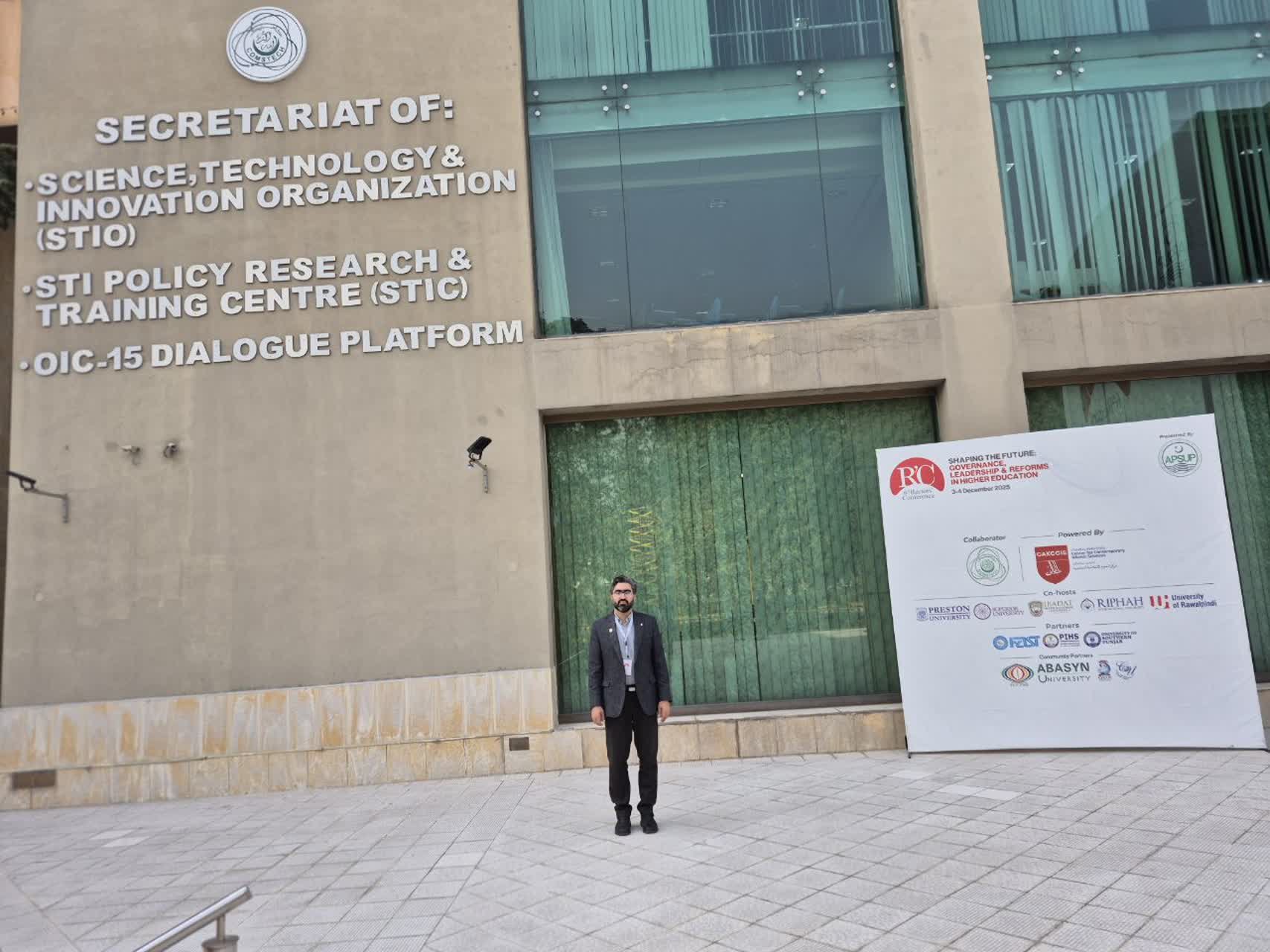
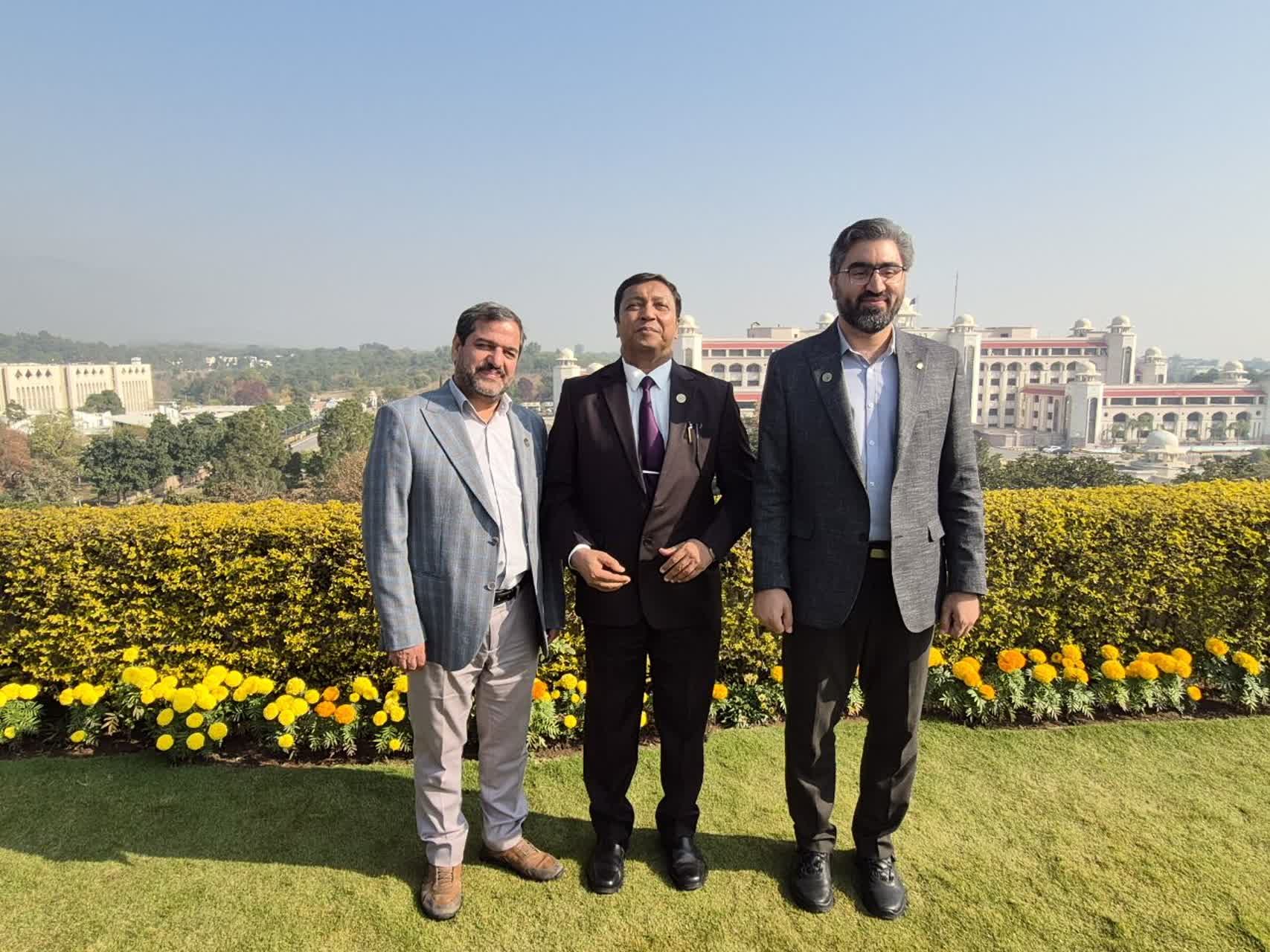
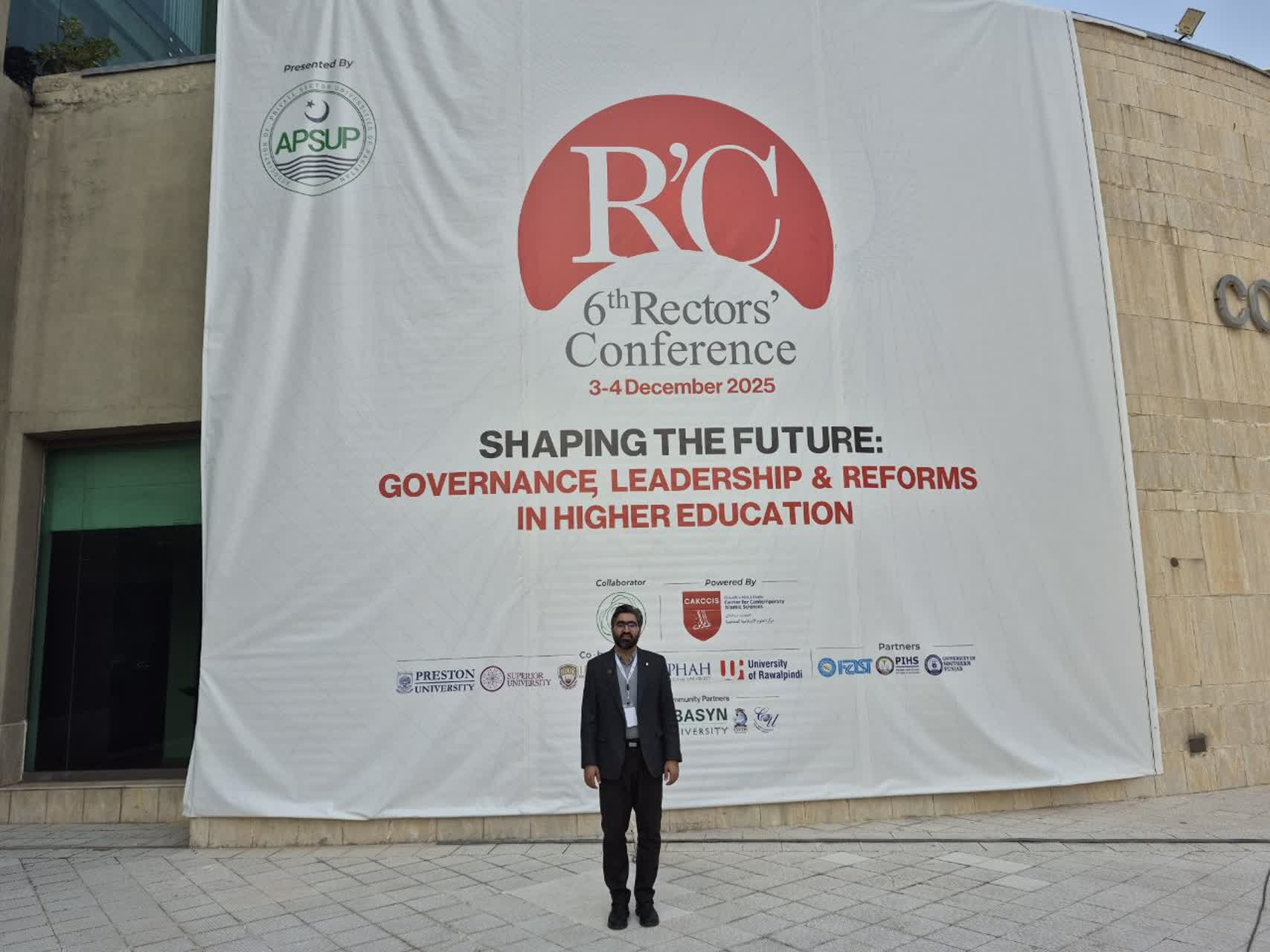
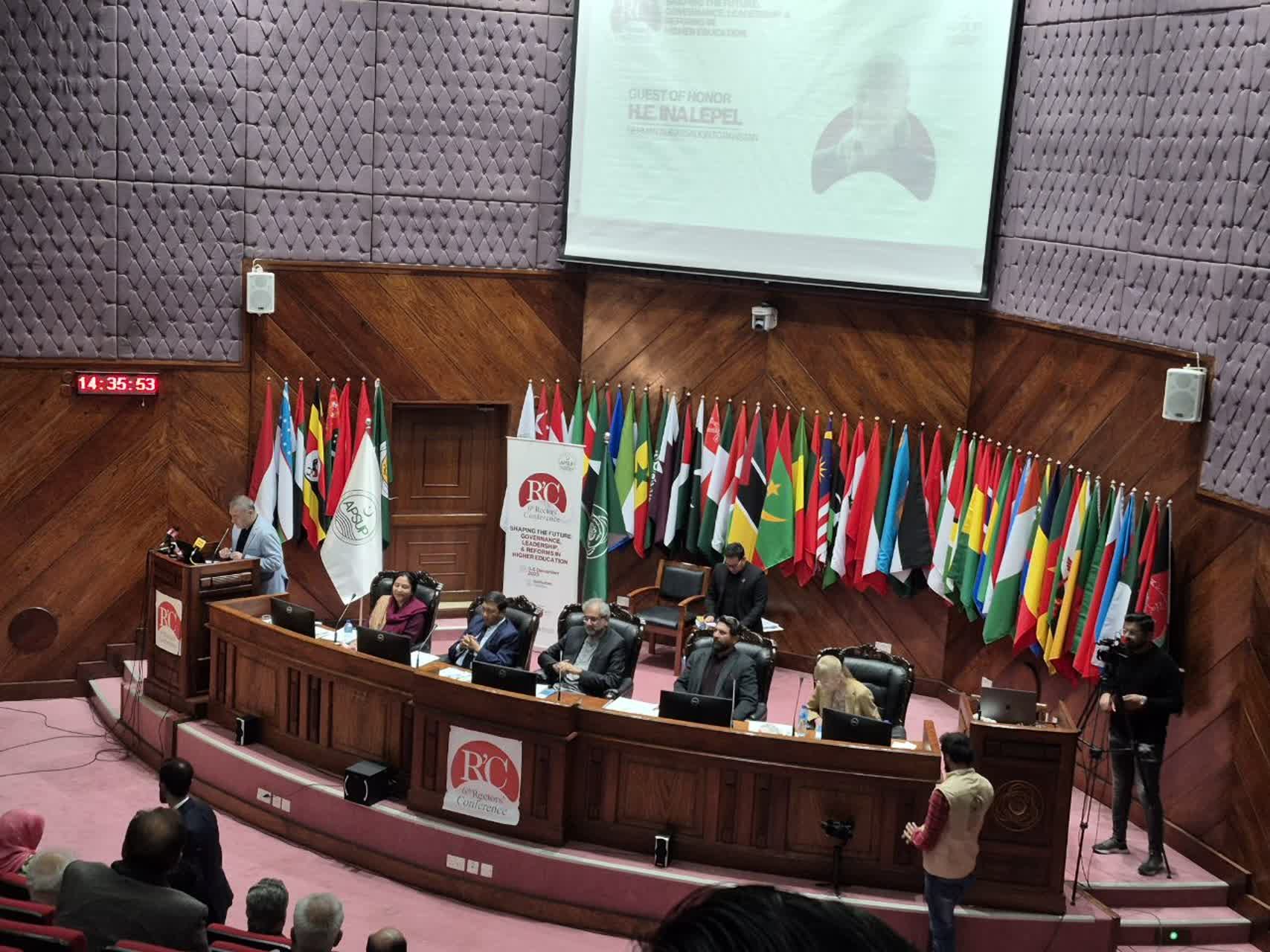
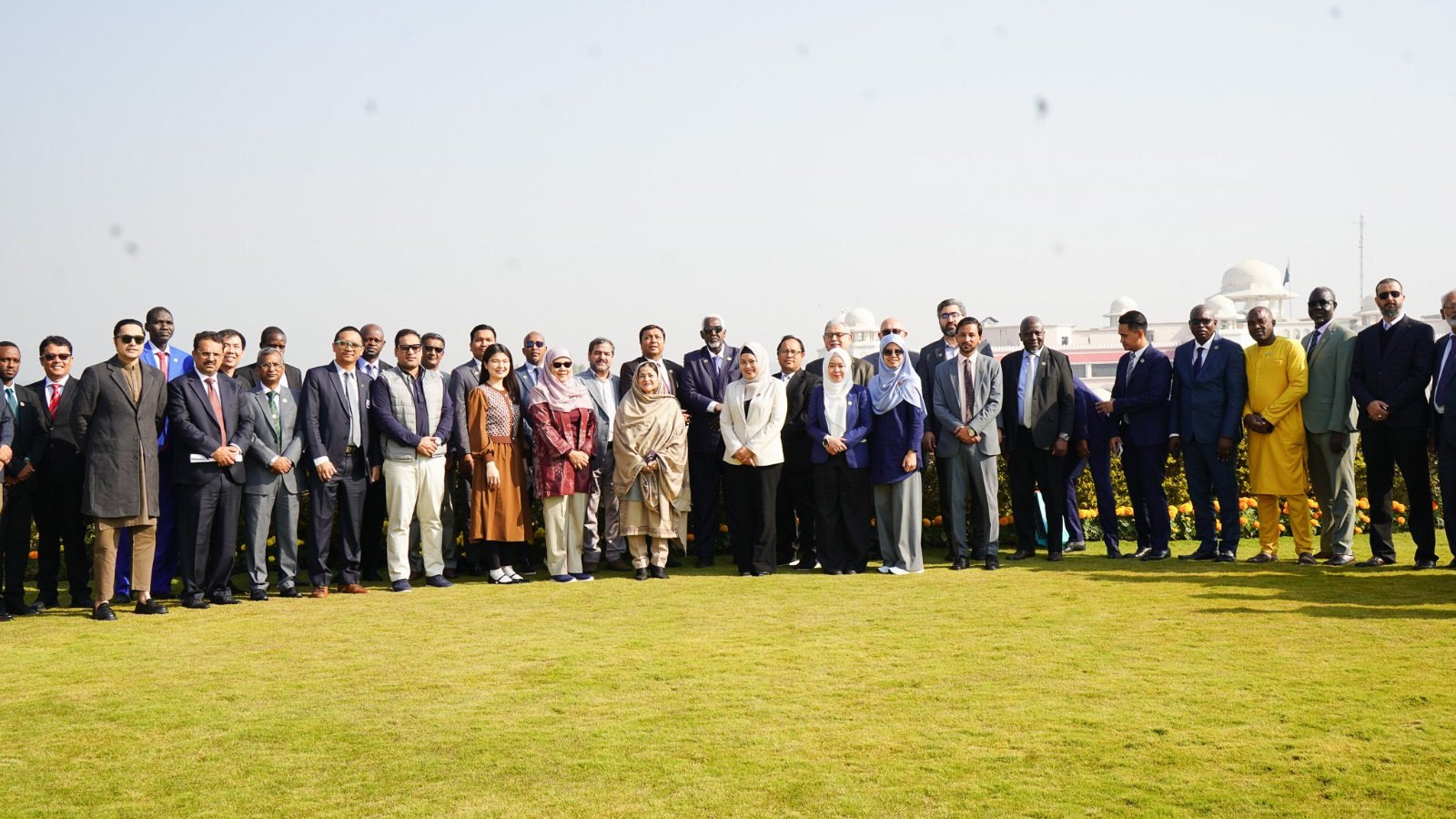
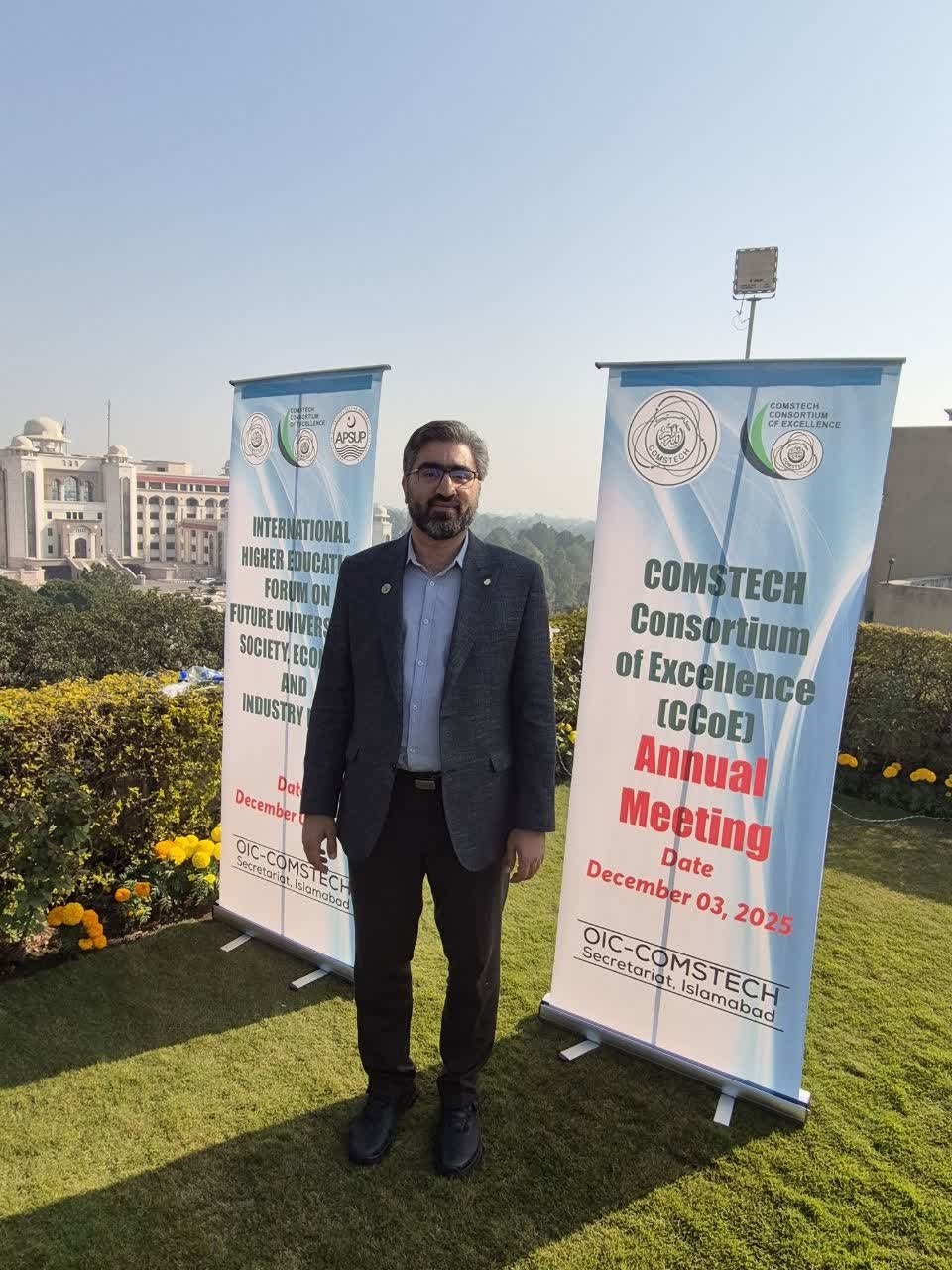
Dr. Hossein Hatami, Vice President for Research and Technology of Lorestan University, at the official invitation of the President of COMSTECH (the Standing Committee on Scientific and Technological Cooperation of the Organization of Islamic Cooperation), participated in the sixth conference of Presidents and Vice Presidents of Research and Technology of universities in the Islamic world, hosted in Islamabad, Pakistan, to strengthen international scientific diplomacy in the Islamic world.
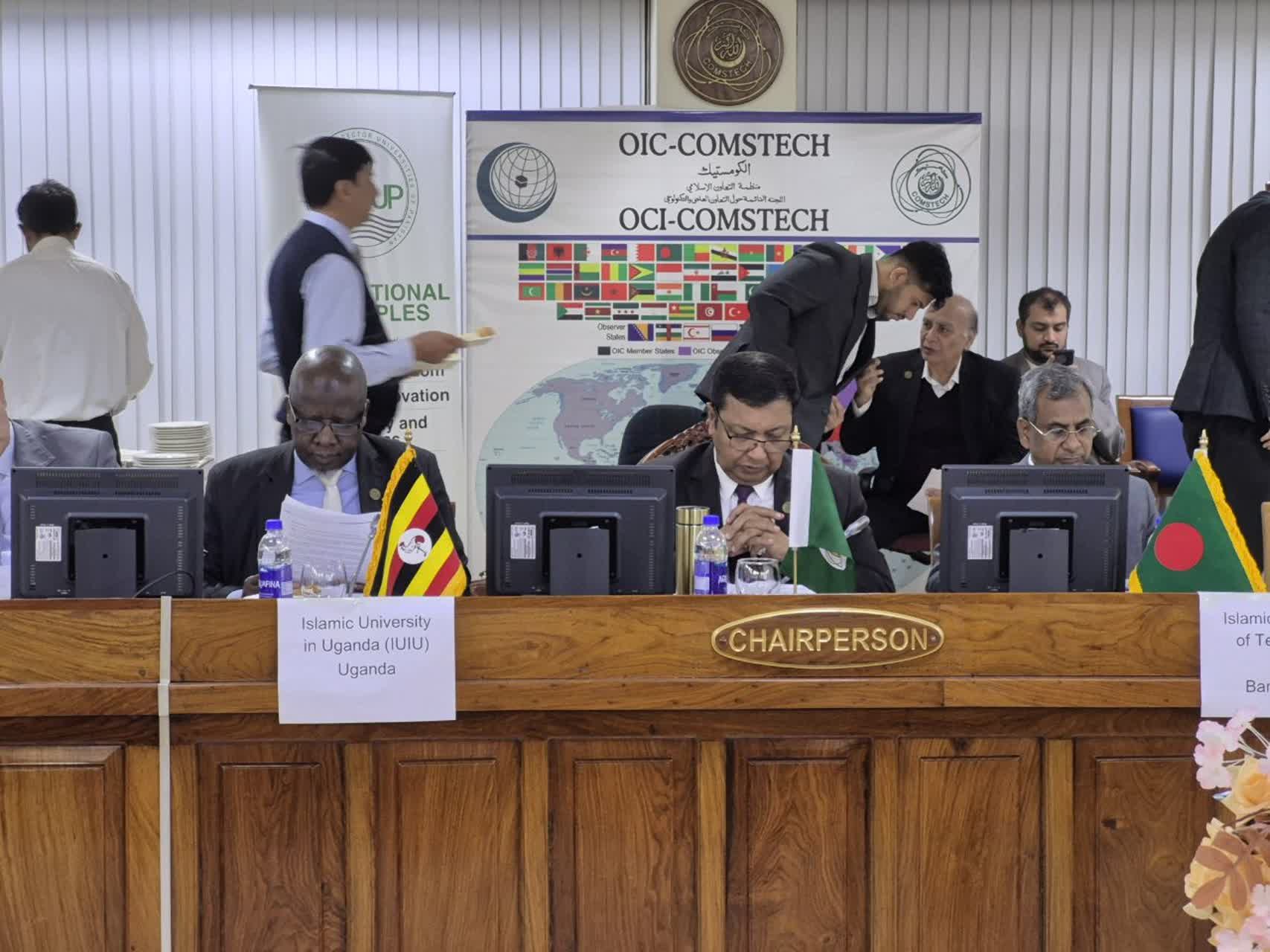
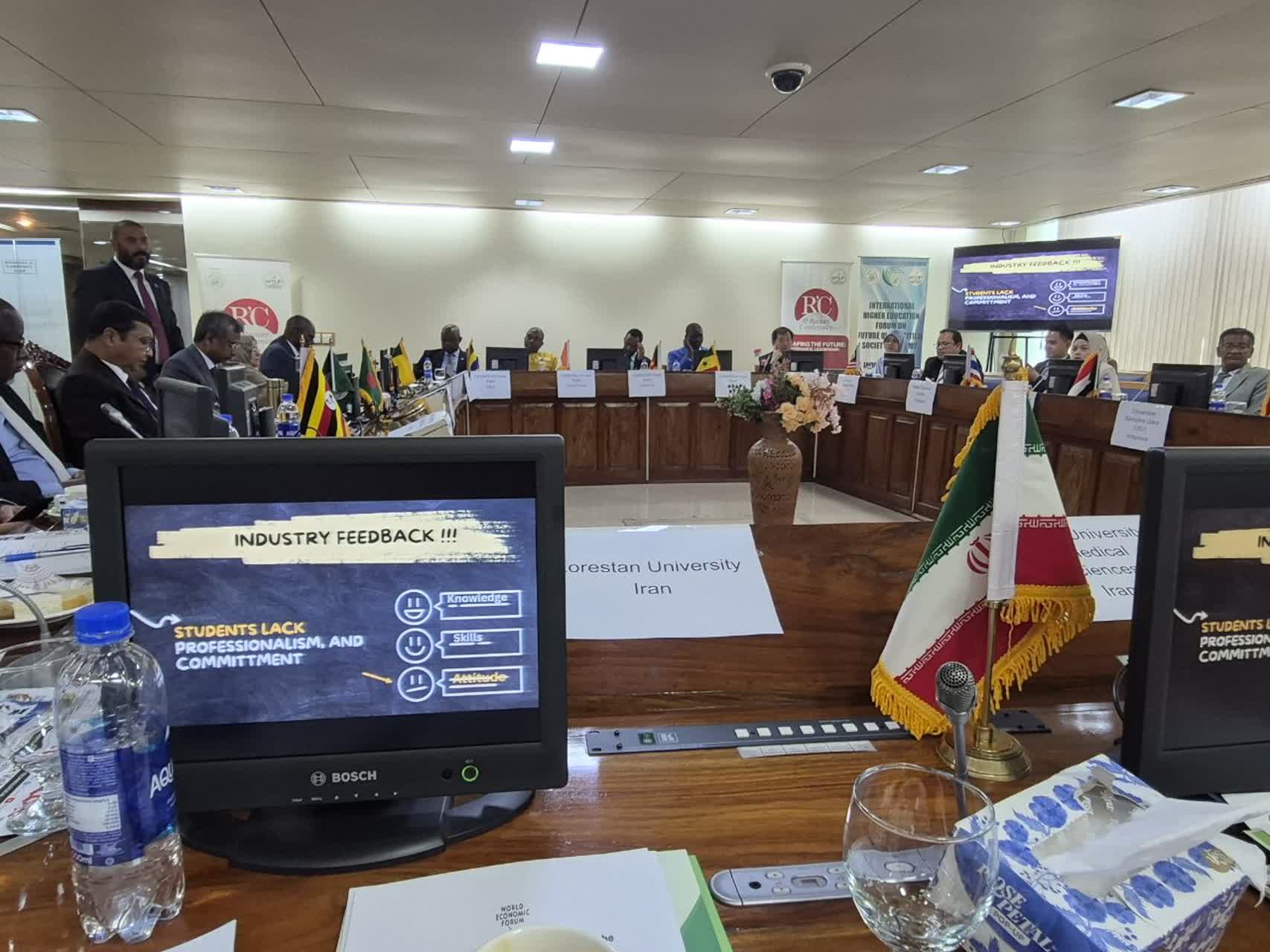
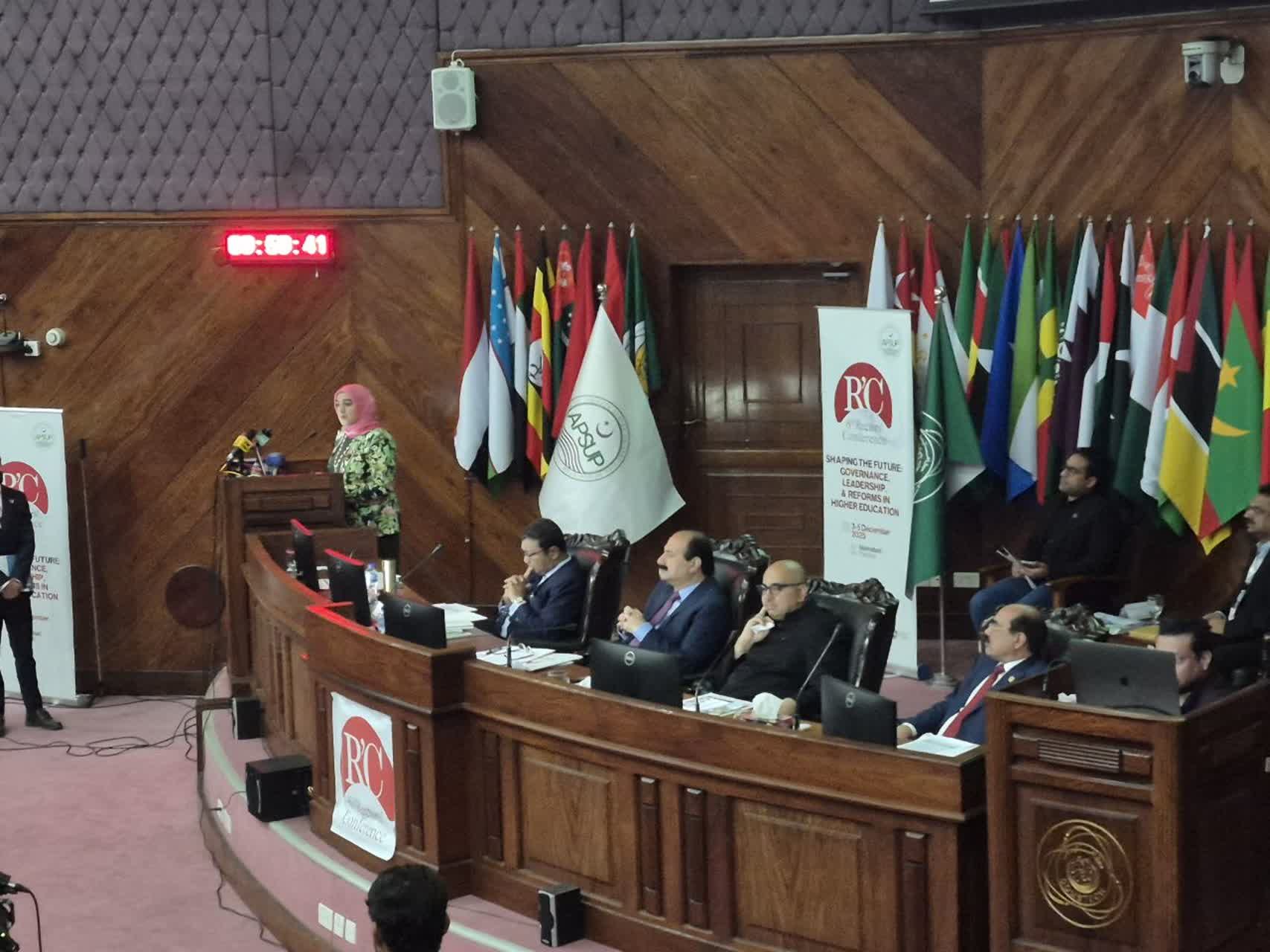
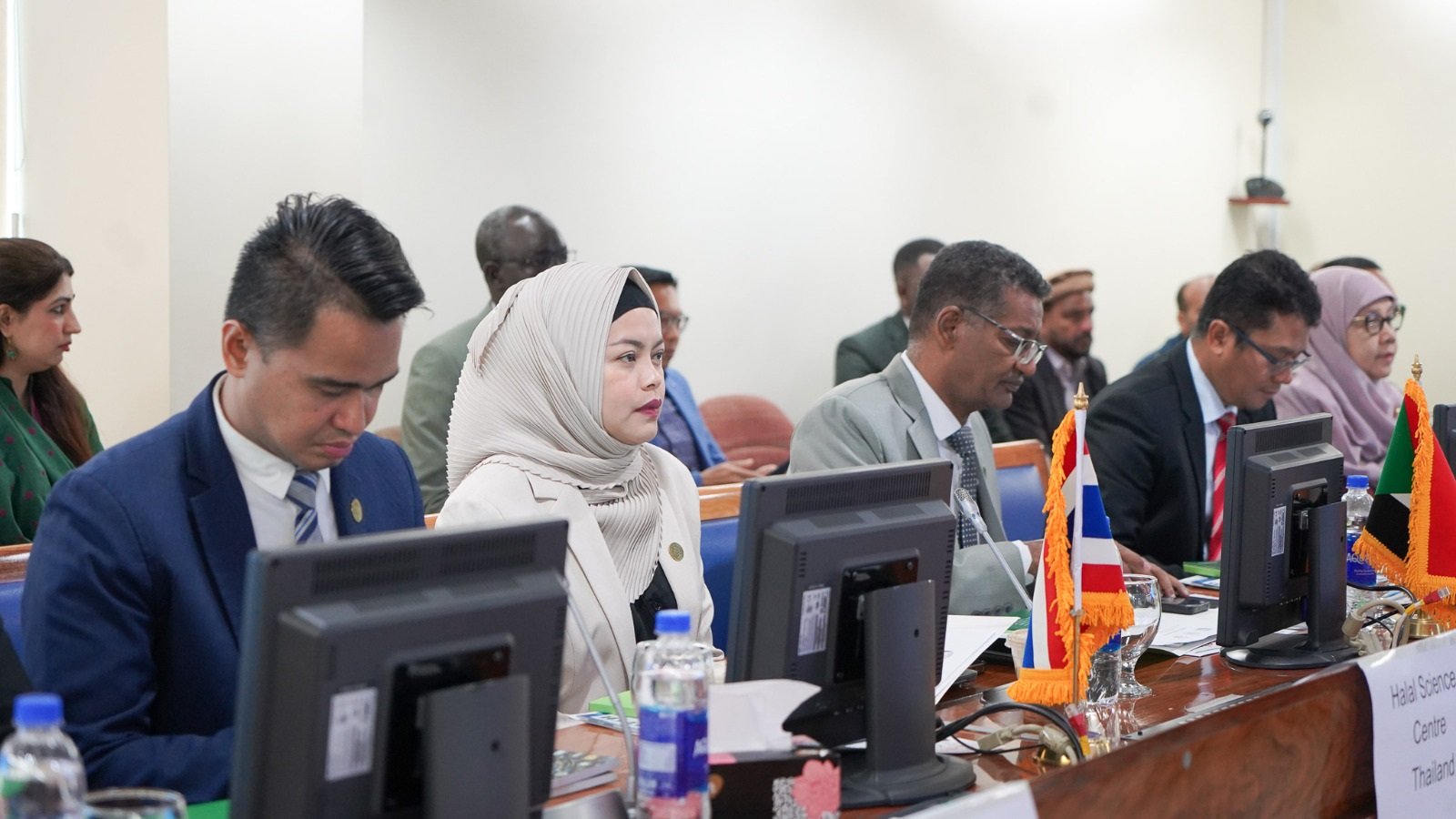
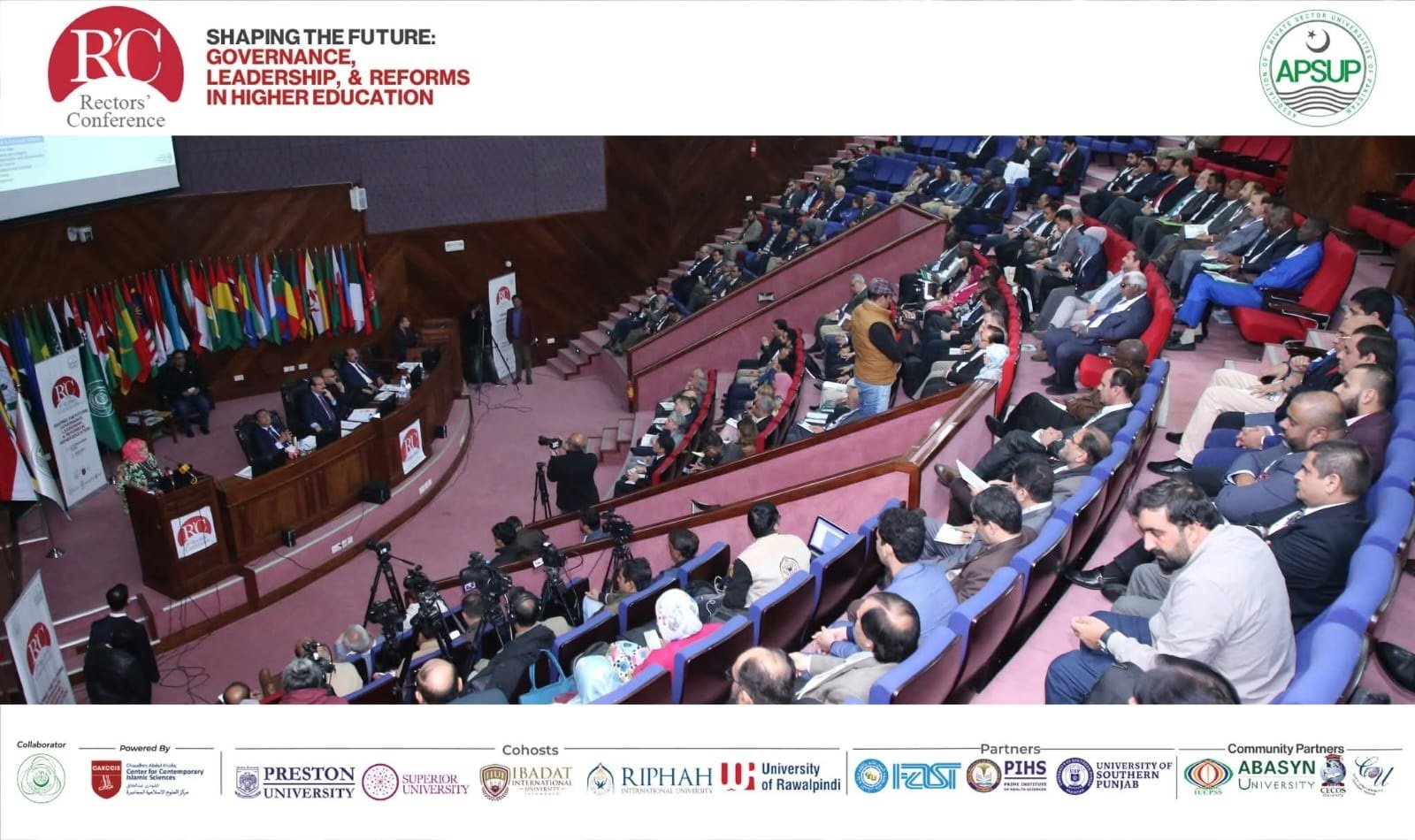
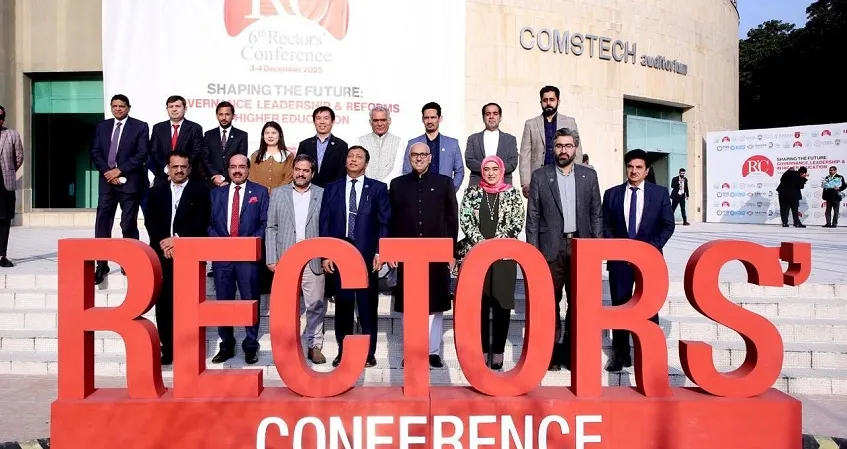
According to the Public Relations of Lorestan University, quoting from the report sent by the Vice President for Research and Technology of the University, the sixth conference of university presidents was held in the OIC-COMSTECH secretariat in Islamabad, jointly by the Association of Private Sector Universities of Pakistan (APSUP) and COMSTECH, in collaboration with several prominent Pakistani universities, and the President and Vice President for Research and Technology of Lorestan University were officially invited due to their good and close cooperation with universities in the Islamic world in the past year to attend "COMSTECH" from December 3rd.
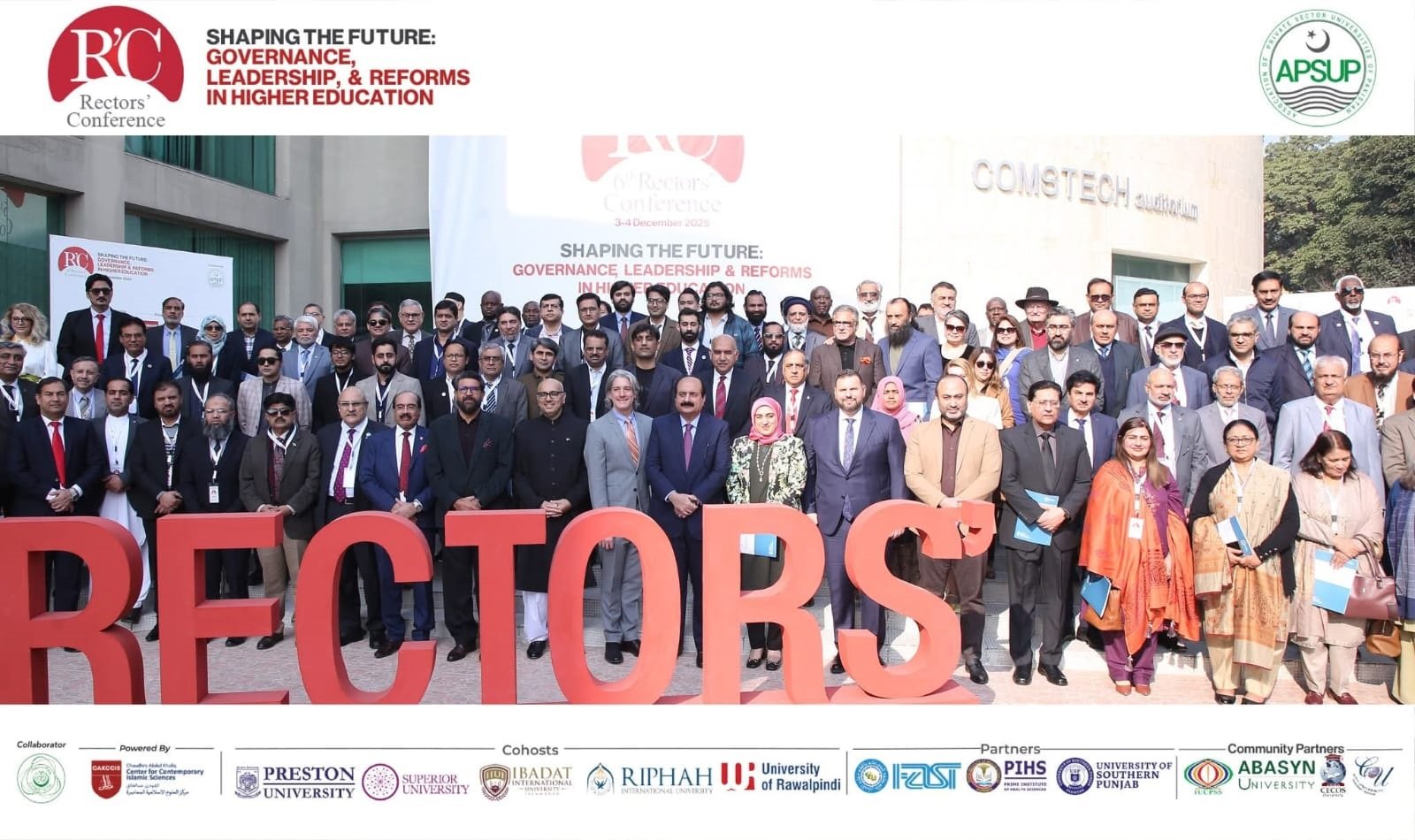
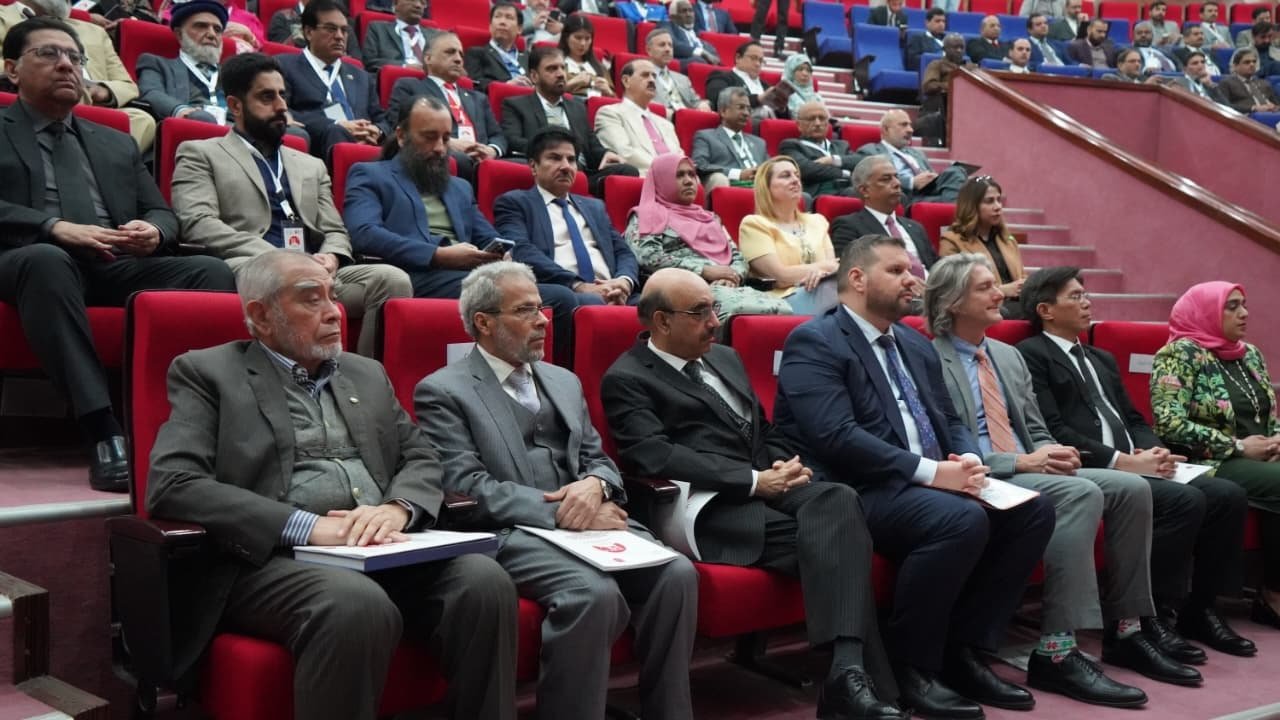
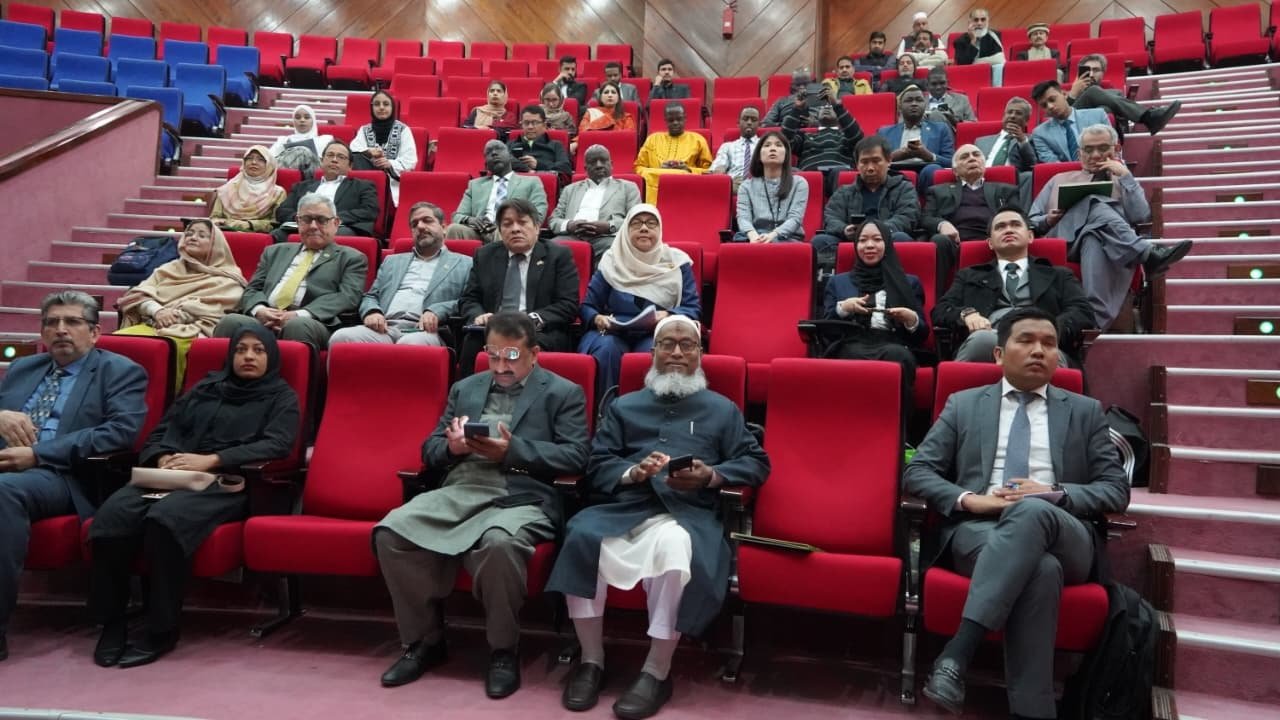
This event witnessed significant participation; approximately 170 university vice presidents and university presidents from all over Pakistan, including 40 foreign representatives representing 17 countries, participated. The ambassadors of Romania, Thailand, Yemen, the United States, and other countries also participated in this conference.
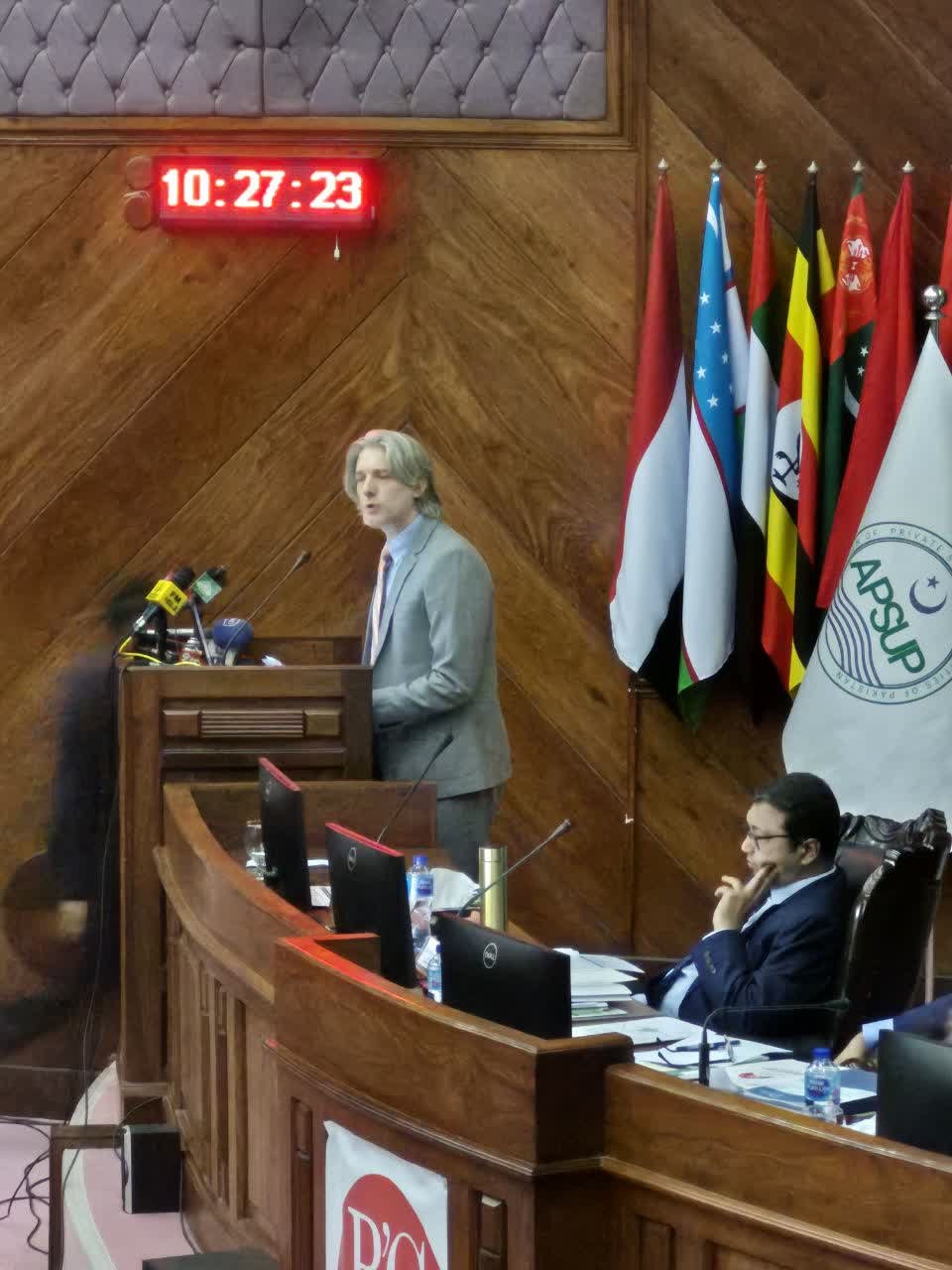
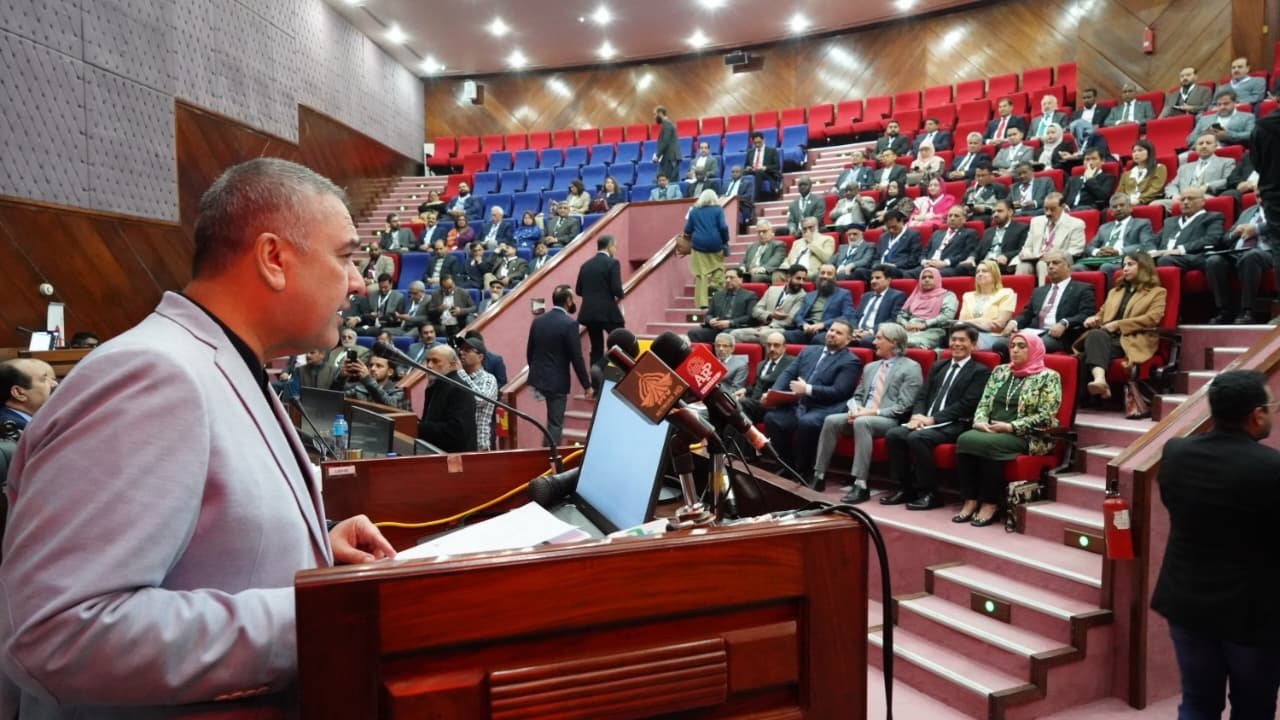
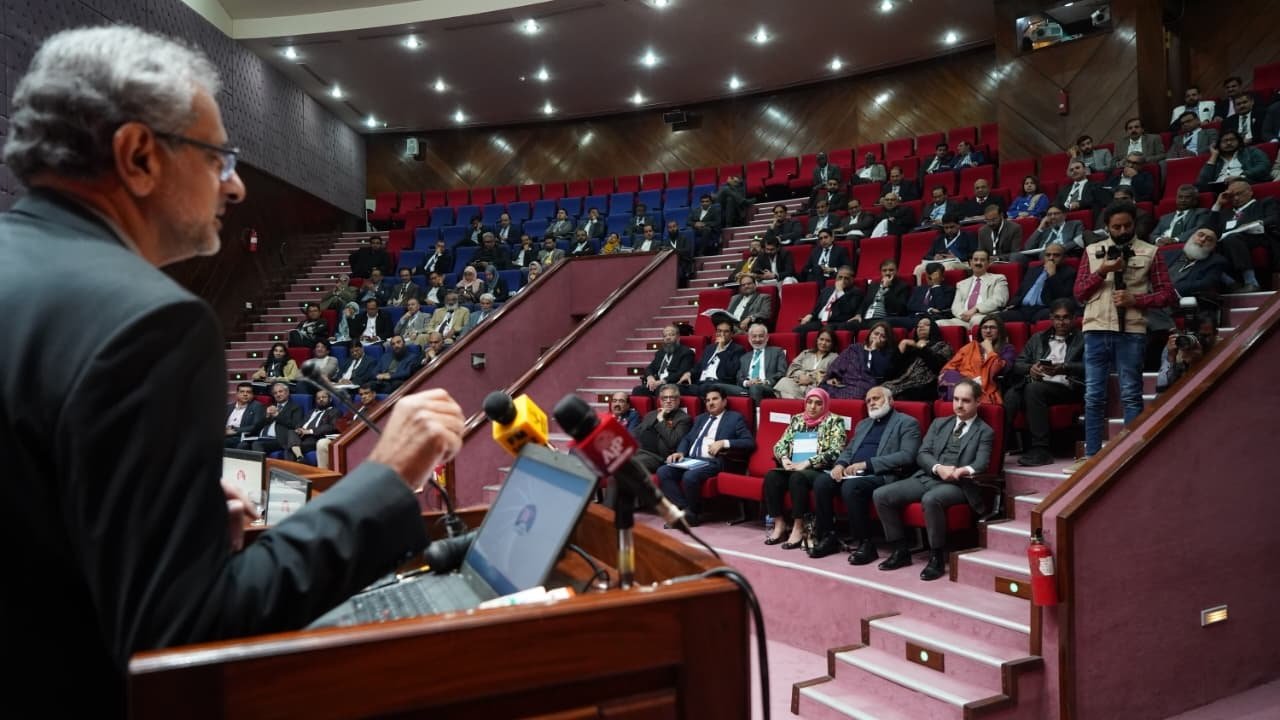
Professor Dr. Muhammad Iqbal Choudhary, President of OIC-COMSTECH and winner of the Mustafa (PBUH) Prize, said in specialized meetings that the future of higher education in the Islamic world depends on establishing stronger university partnerships and addressing the critical shortage of skilled professionals through collaborative innovation.
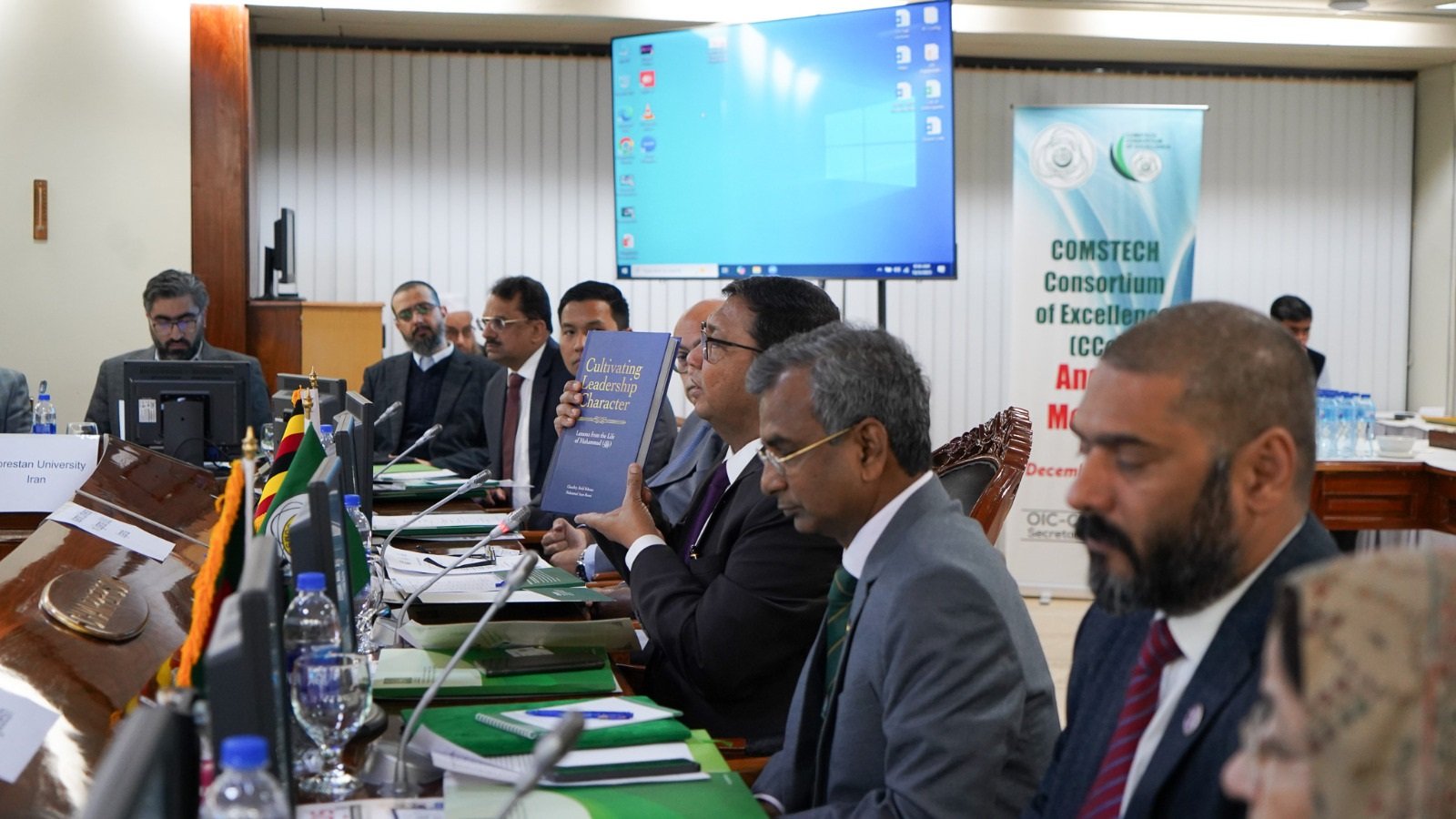
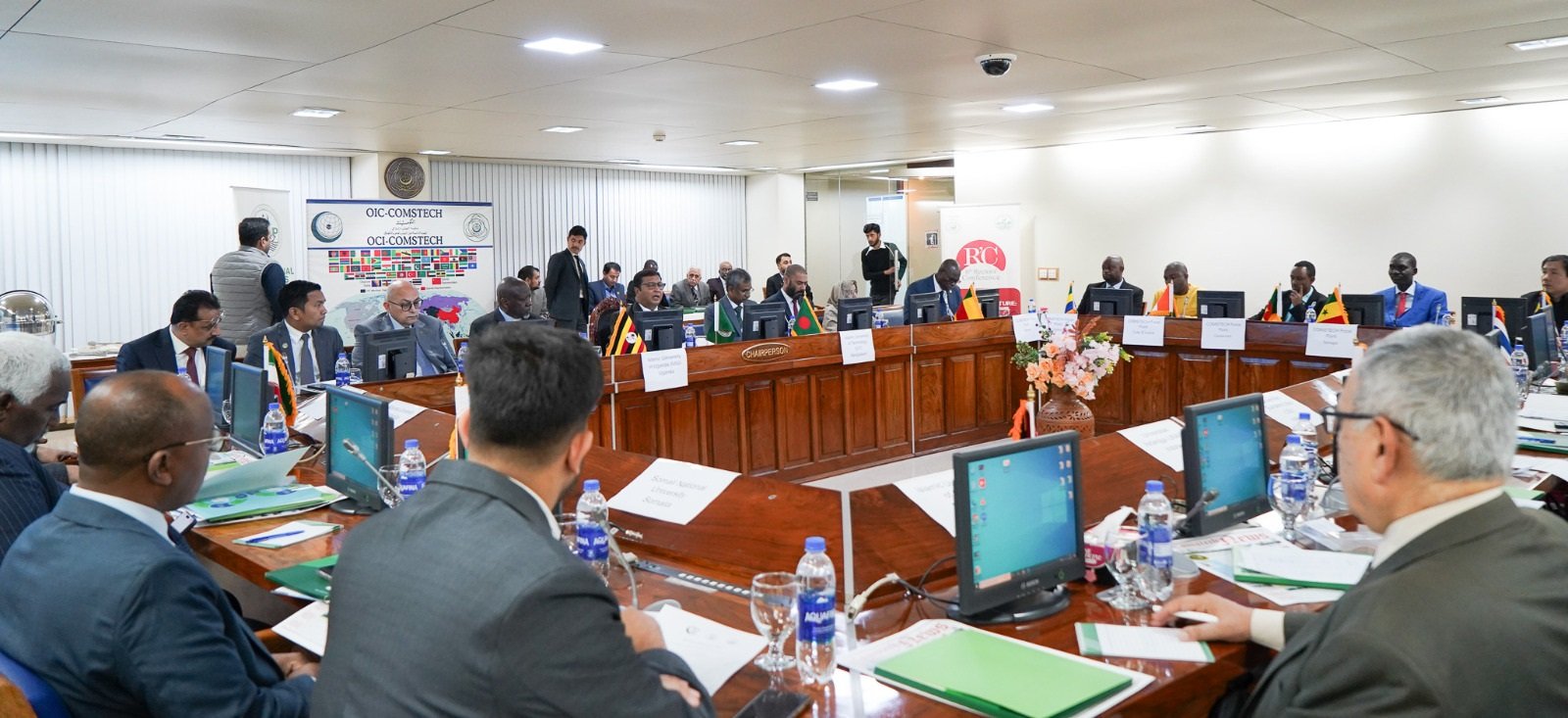
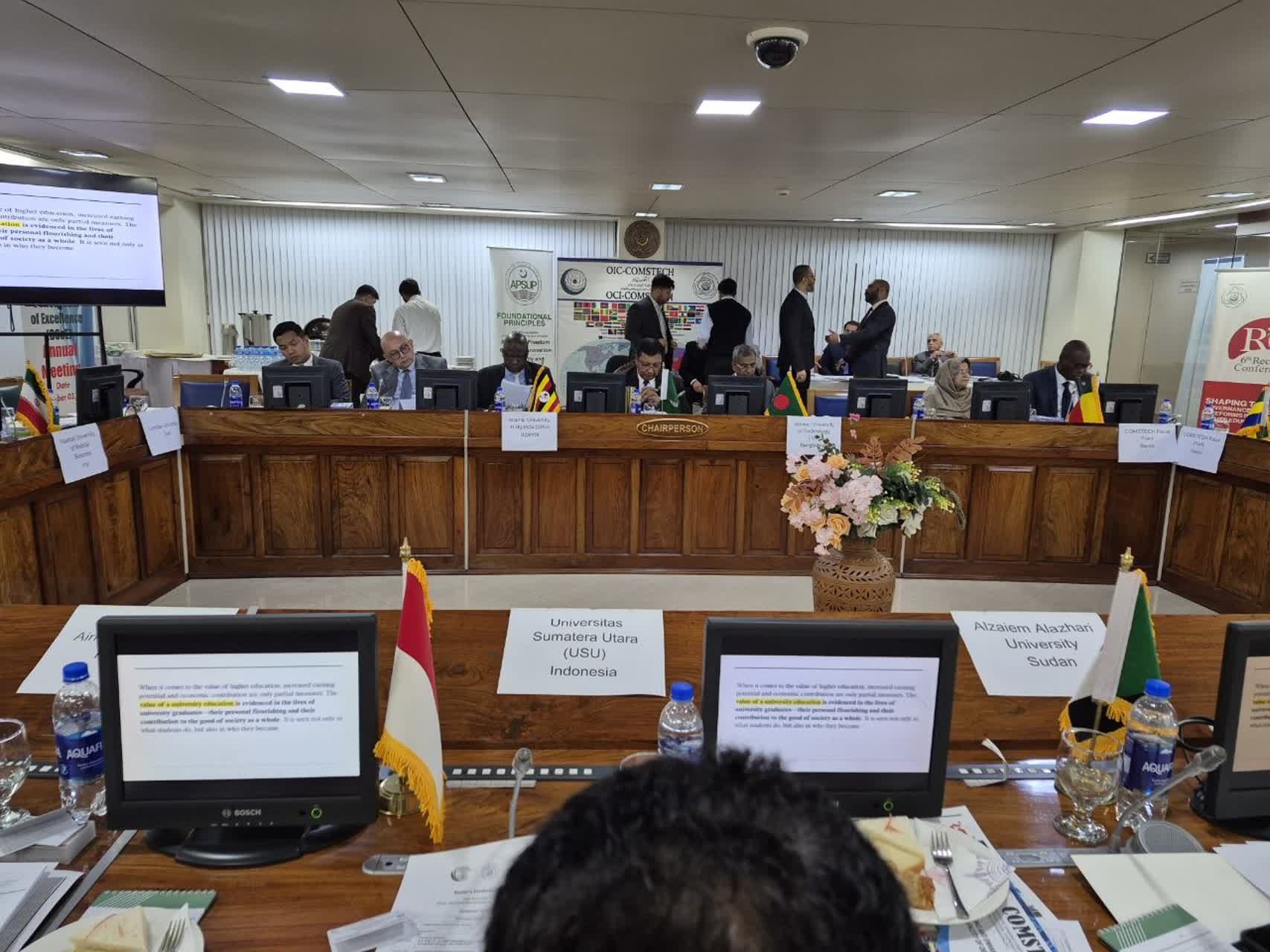
He spoke at the annual meeting of the COMSTECH Consortium of Excellence at the organization's secretariat in Islamabad.
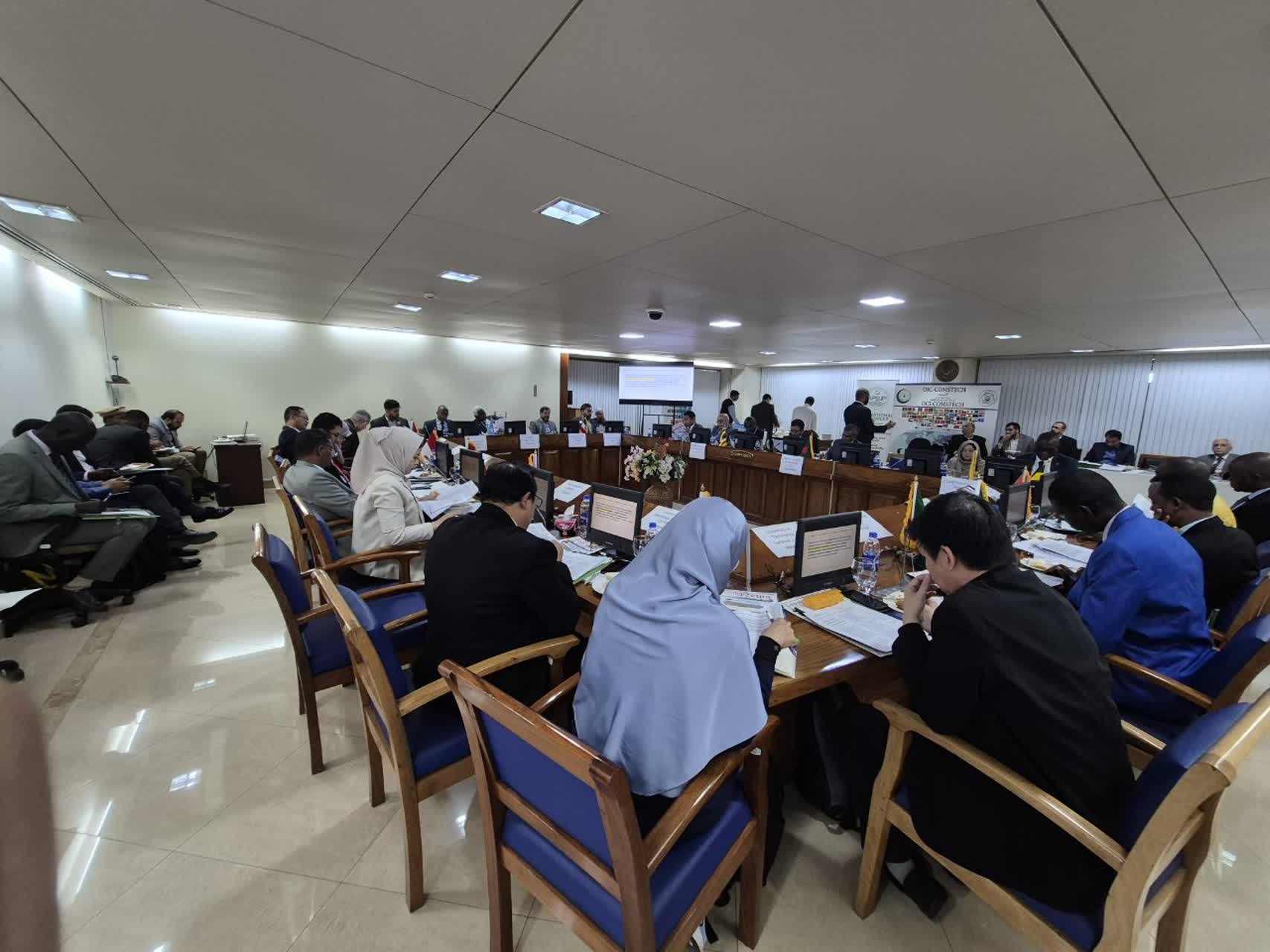
This high-level gathering brought together vice presidents, university presidents, and senior representatives of prominent universities across OIC member and observer countries in an event that has become a fundamental event for advancing scientific excellence and educational cooperation across the region.
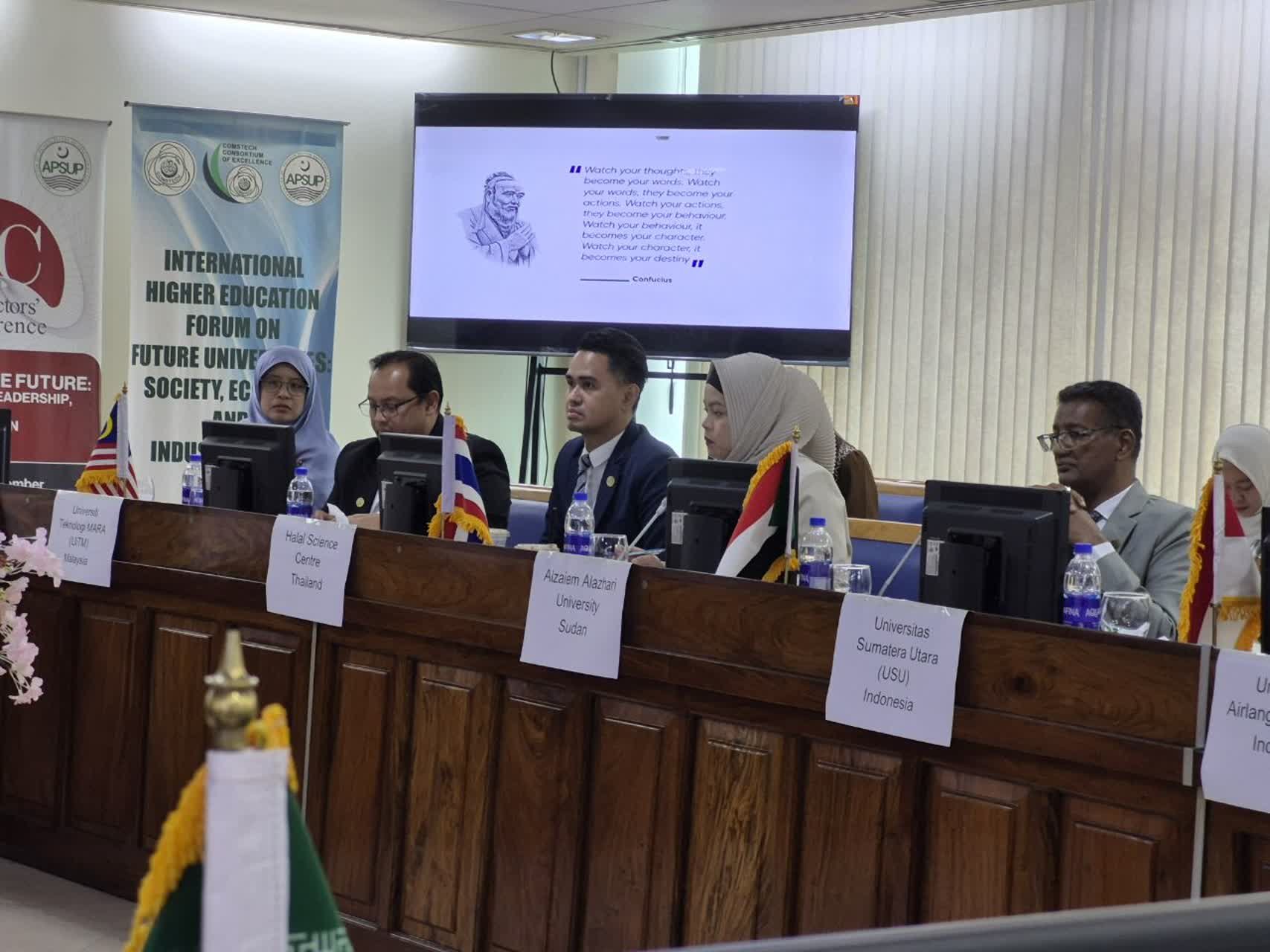
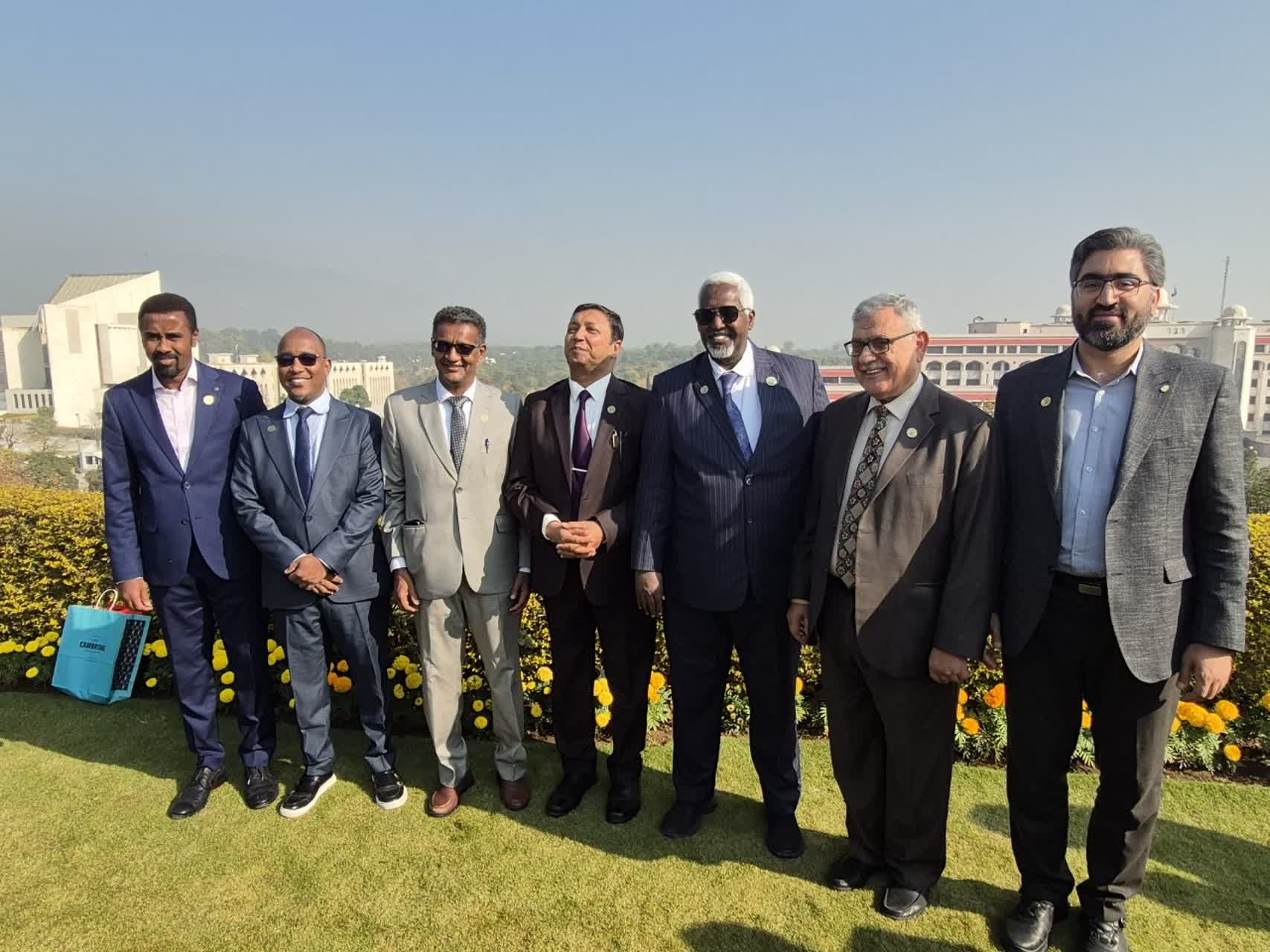
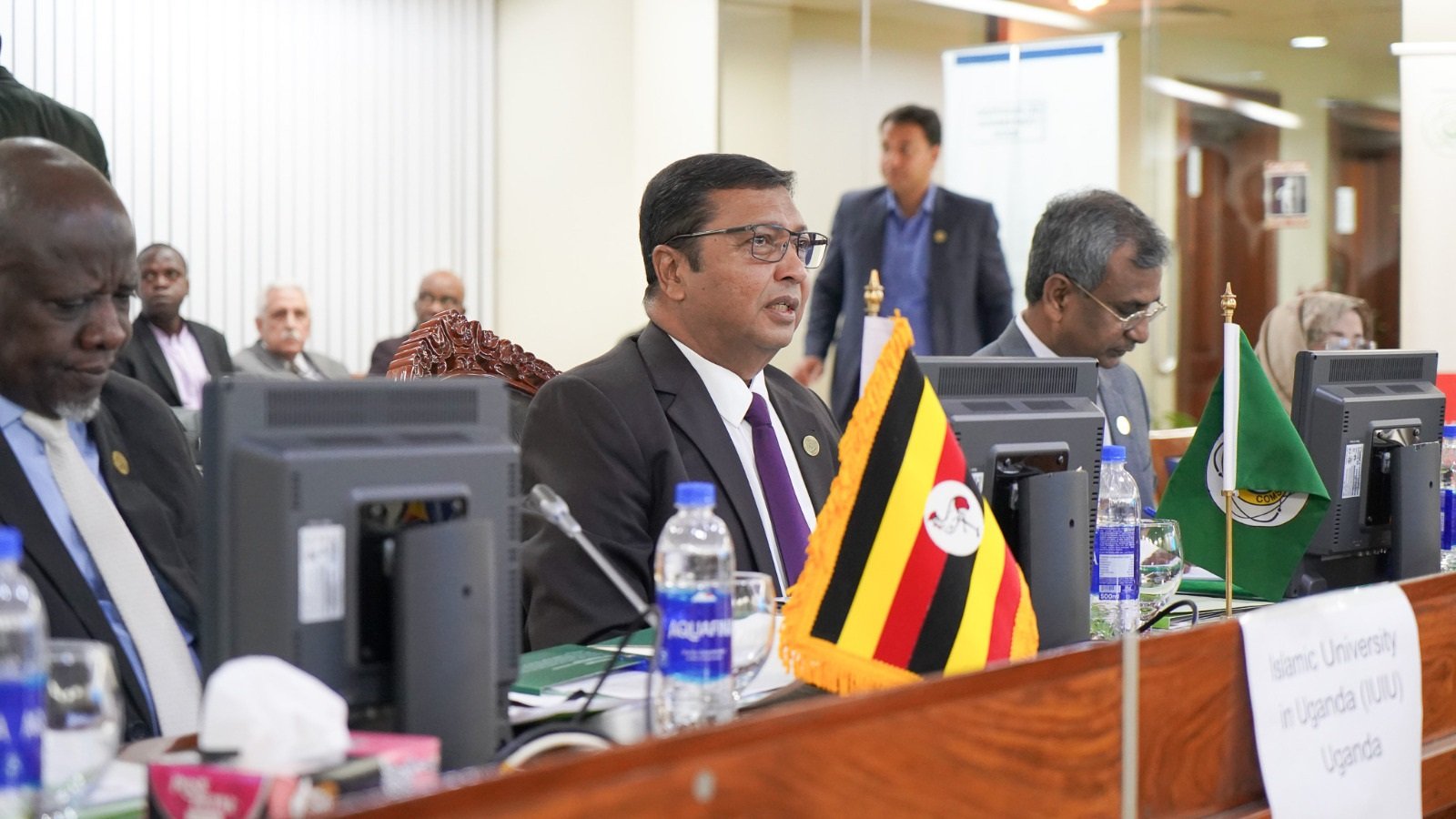
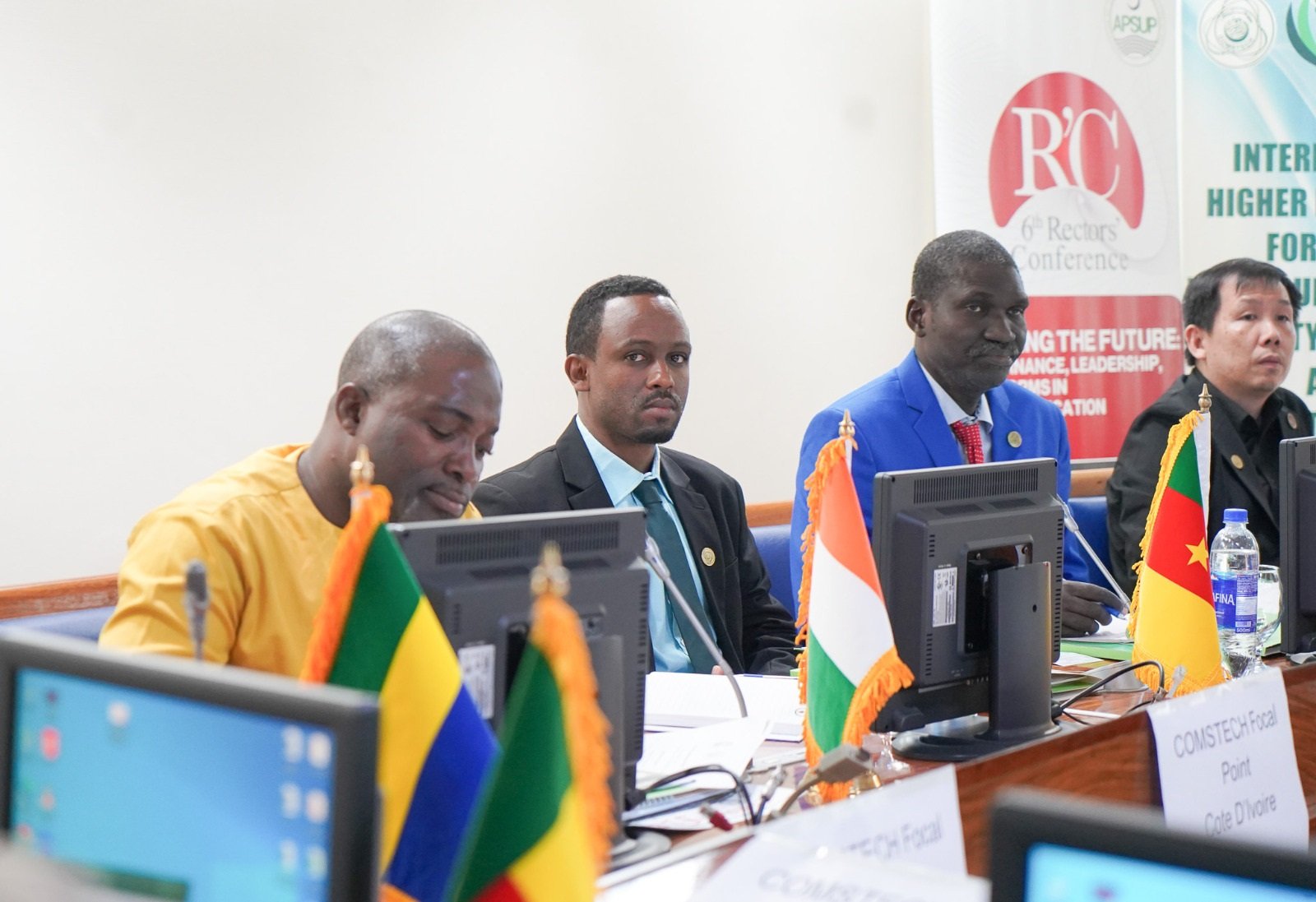
Nearly 30 international representatives from universities in Iran, Somalia, Palestine, Indonesia, Malaysia, Thailand, Uganda, Bangladesh, Benin, Cameroon, Gabon, Ivory Coast, and Senegal joined their counterparts from several prominent Pakistani institutions to chart a common path for higher education in the member countries of the Organization of Islamic Cooperation.
Professor Choudhary emphasized that one of the most important developmental challenges facing the member countries of the Organization of Islamic Cooperation remains the limitation of skilled professionals and the workforce, a gap that can only be filled by strengthening higher education systems and expanding opportunities for knowledge transfer.
He stated that the global higher education landscape has evolved significantly since the COVID-19 pandemic, and new digital learning tools and blended learning models are dramatically improving access to skills-based education and short-term interactive learning programs across geographical and economic borders.
Professor Choudhary, emphasizing the interconnected nature of development challenges and the necessity of collective solutions, addressed the academic leaders present at the meeting, saying, "Collaborations, knowledge sharing, best practices, exchange of researchers, technology transfer, and joint academic programs are vital to overcome the educational challenges facing the OIC region."
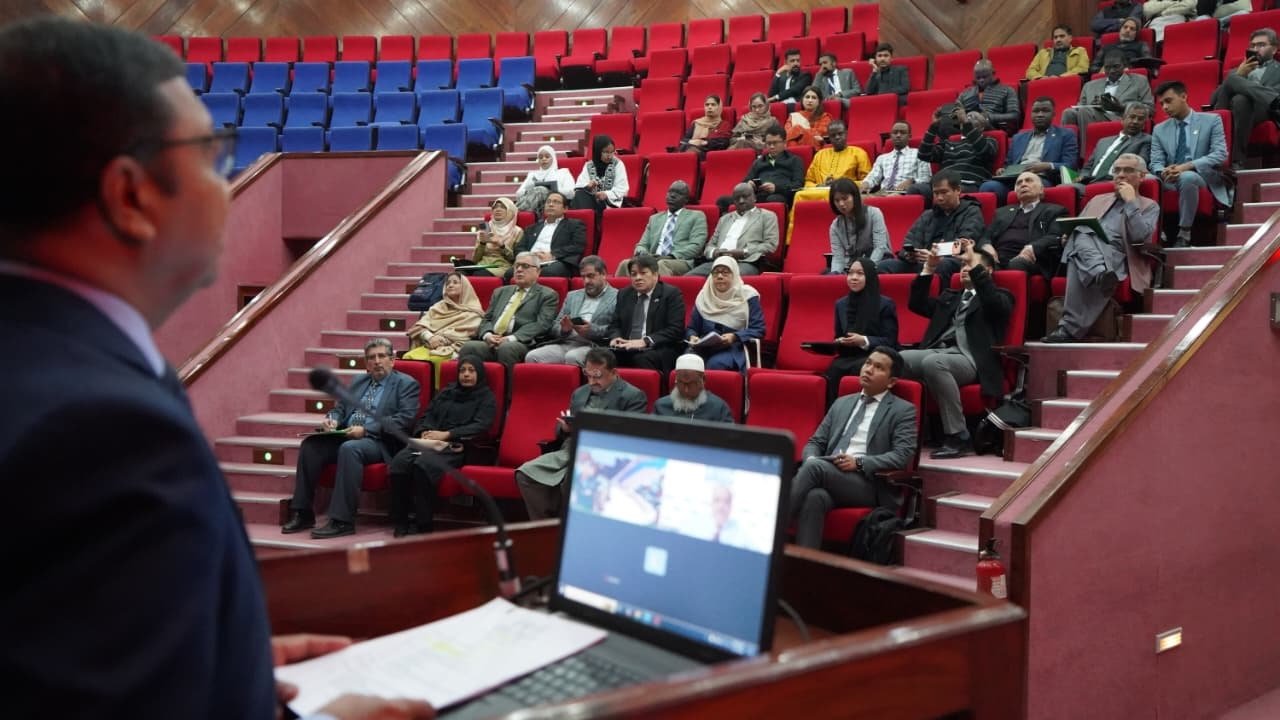
The morning session included two intensive technical discussions focusing on mastering character, future academic models, and the evolving link between society, the economy, and industry. Representatives participated in structured brainstorming sessions led by senior international trainers and academic leaders, examining how universities should transform to maintain their position in a rapidly changing world.
These discussions emphasized the urgent need for competency-based education, modern educational tools, university-industry partnerships, and collaborative educational programs designed to equip graduates with the skills necessary to address emerging global challenges.
The annual meeting also included a comprehensive and moderated discussion on key thematic areas of CCoE cooperation.
Universities presented their shared views and insights in introductory remarks, while COMSTECH officials detailed the organization's various initiatives and programs.
Participants then engaged in essential consultations on the action plan for 2026, discussing strategies for expanding inter-university cooperation in various dimensions, including faculty exchange, student mobility schemes, senior management training opportunities, and joint research and innovation projects aimed at strengthening research ecosystems across the member countries of the Organization of Islamic Cooperation (OIC).
Professor Choudhary strongly encouraged CCoE member universities to actively collaborate with COMSTECH's flagship programs, including the Research Scholarship Program, the Distinguished Scholars Program, the COMSTECH Forum on Environment and Ecosystem Restoration, the Center for Artificial Intelligence and Emerging Technologies Training and Research, and the OIC Technology and Innovation Portal.
Detailed information on these initiatives was shared through a comprehensive presentation that identified opportunities for institutional partnerships and individual academic advancement.
The President of COMSTECH, at the end of his speech, reaffirmed COMSTECH's unwavering commitment to supporting joint investments and capacity-building initiatives across the CCoE network.
He expressed confidence that the partnerships established and strengthened during this meeting would bring tangible benefits to students, faculty, and researchers across the OIC region, emphasizing that the future well-being of the Islamic world significantly depends on the quality and accessibility of its higher education systems.
This annual meeting served as a vital platform for reviewing the progress made in the past year, identifying future priorities, and deepening academic cooperation to promote scientific excellence and sustainable development across the OIC region.
Professor Choudhary emphasized the pivotal role of the Standards and Metrology Institute for Islamic Countries (SMIIC) in the development and harmonization of halal standards across the member countries of the Organization of Islamic Cooperation (OIC).
He stated that COMSTECH and SMIIC have jointly organized five regional training programs in Uzbekistan, Uganda, Bangladesh, Morocco, and Pakistan, training over 300 laboratory experts in the field of halal product standards and testing.
Professor Choudhary also announced a major project supported by the Islamic Development Bank (IsDB): the establishment of a halal authenticity verification laboratory at the Islamic University of Uganda (IUIU).
For the first time, following the efforts of the Vice President for Research and Technology of Lorestan University, Lorestan University was also invited to the important meeting of university presidents at COMSTECH as an influential and active university in the Islamic world. We hope that with the upcoming scientific and international collaborations by the faculty members of Lorestan University, these international meetings will continue by COMSTECH and Lorestan University and will definitely lead to more international diplomacy for Lorestan University.
The Vice President for Research and Technology of Lorestan University (Dr. Hossein Hatami), considering the official invitation and full hosting by COMSTECH, utilized this trip and opportunity and, on December 2nd, made the necessary arrangements for attendance, visit, and signing of a memorandum of understanding with the National University of Sciences and Technology (NUST), with which official correspondence had begun in the past 3 months, the news of which was also published on the Lorestan University website.
This news has two attachments.